
Breaking: Deputy Released, TPS Decision Shakes Haiti
Plus: Emergency water landing near Port-au-Prince—what we know so far

|
Welcome to HDP Haitian Community weekly news!
This week we face a pivotal moment as the Supreme Court’s TPS decision threatens thousands of Haitian families, while our community responds with unity, resources, and resilience. From urgent legal updates to mental health support, we’re covering what matters most to our diaspora and homeland.
What’s in this issue:
- 🚨 Supreme Court TPS ruling and what it means for Haitian families
- 🤝 Haitian Bridge Alliance mobilizes support and resources for affected communities
- 🇭🇹 Security crisis in Kenscof and Port-au-Prince’s humanitarian emergency
- 💚 Mental health support for Haiti and the diaspora
- 🎵 Cultural resilience: Celebrating Haitian heritage through music and community
💡 Quote of the Day
“Dignity Has No Nationality. America’s promise of freedom remains inaccessible to marginalized Black and Brown immigrants, but we will continue to fight for fair treatment and systemic change.”
— Guerline Jozef, Executive Director, Haitian Bridge Alliance
📰 Latest News
🔗 Cedarville professor urges action, unity after Supreme Court TPS decision (7 minute read)
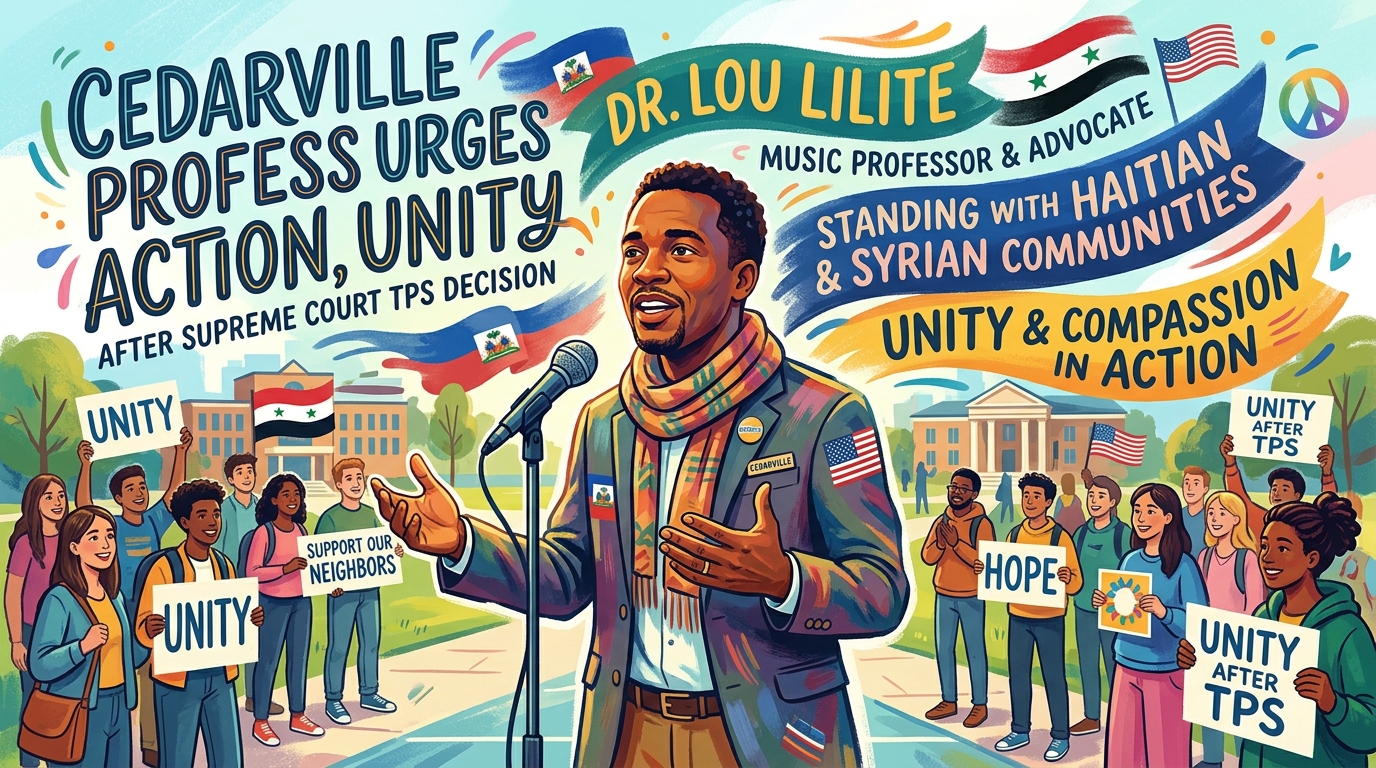
Following the Supreme Court’s devastating decision stripping temporary protected status from Haitian and Syrian immigrants, Dr. Lou Lilite, a Haitian-American music professor at Cedarville University, is calling on our community to unite rather than place blame. Instead of pointing fingers at media, politicians, or justices, Dr. Lilite urges the Haitian diaspora to take concrete action helping vulnerable neighbors facing deportation.
Key Points:
- The Supreme Court ruling removes TPS protections for thousands of Haitian families currently living in the United States
- Gang violence now controls 90% of Port-au-Prince, with 1.5 million people displaced across Haiti
- Dr. Lilite emphasizes practical community support over political blame during this humanitarian crisis
- Mixed feelings about the ruling are valid, but compassion and action must guide our response
Why it matters: This ruling affects thousands of Haitian families who have built lives in America while their homeland faces unprecedented violence and instability. With Haiti in the grip of a humanitarian emergency—where returning means facing gang-controlled streets and massive displacement—our diaspora must mobilize to support those threatened with deportation. Dr. Lilite’s call to action reminds us that unity and practical assistance matter more than assigning blame in this moment of crisis.
🔗 Haitian Bridge Alliance: Dignity Has No Nationality (2 minute read)
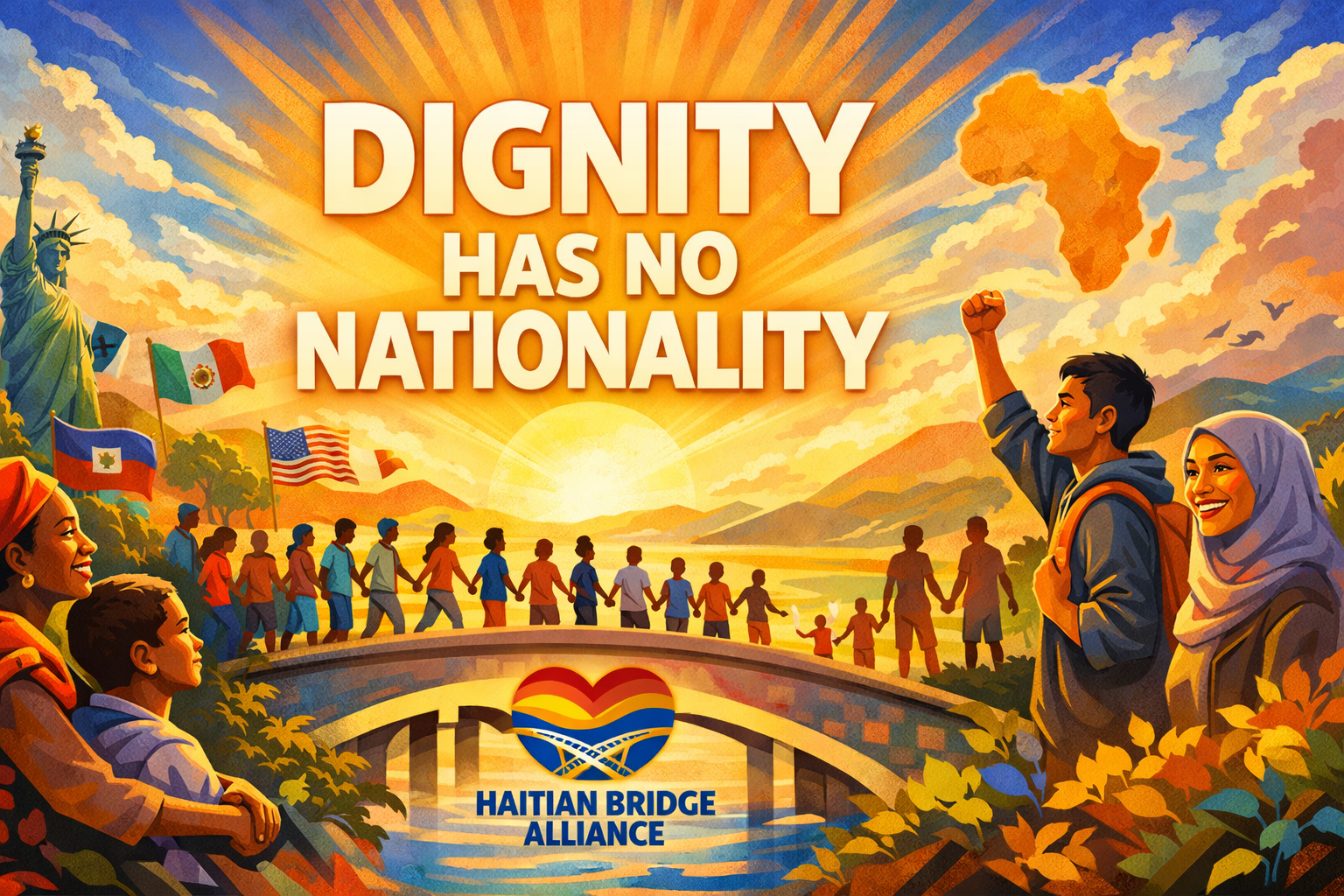
In direct response to the TPS crisis, the Haitian Bridge Alliance stands as a critical resource hub for our community. This 501(c)(3) organization, led by Executive Director Guerline Jozef, champions immigrant rights while providing essential services to Black migrants, Haitian communities, women, LGBTQIA+ individuals, and torture survivors. HBA recently mobilized extraordinary community turnout for national TPS rallies, asserting that America’s promise of freedom must extend to all.
Key Points:
- Comprehensive programs include legal services, emergency response, impact litigation, and advocacy campaigns
- The Black Immigrant Bail Fund provides critical financial support for detained community members
- HBA emphasizes that immigration is fundamentally a Black issue requiring systemic change
- Services available for both those facing TPS uncertainty and broader diaspora support needs
Why it matters: When crisis hits, knowing where to turn makes all the difference. The Haitian Bridge Alliance offers concrete help—not just advocacy, but actual legal services, emergency assistance, and financial support through their bail fund. If you or someone you know is affected by the TPS decision, HBA provides the resources and representation our community needs right now. Their “Dignity Has No Nationality” message reminds us that our humanity transcends legal status.
🔗 The Growing Need for Mental Health Support in Haiti (3 minute read)
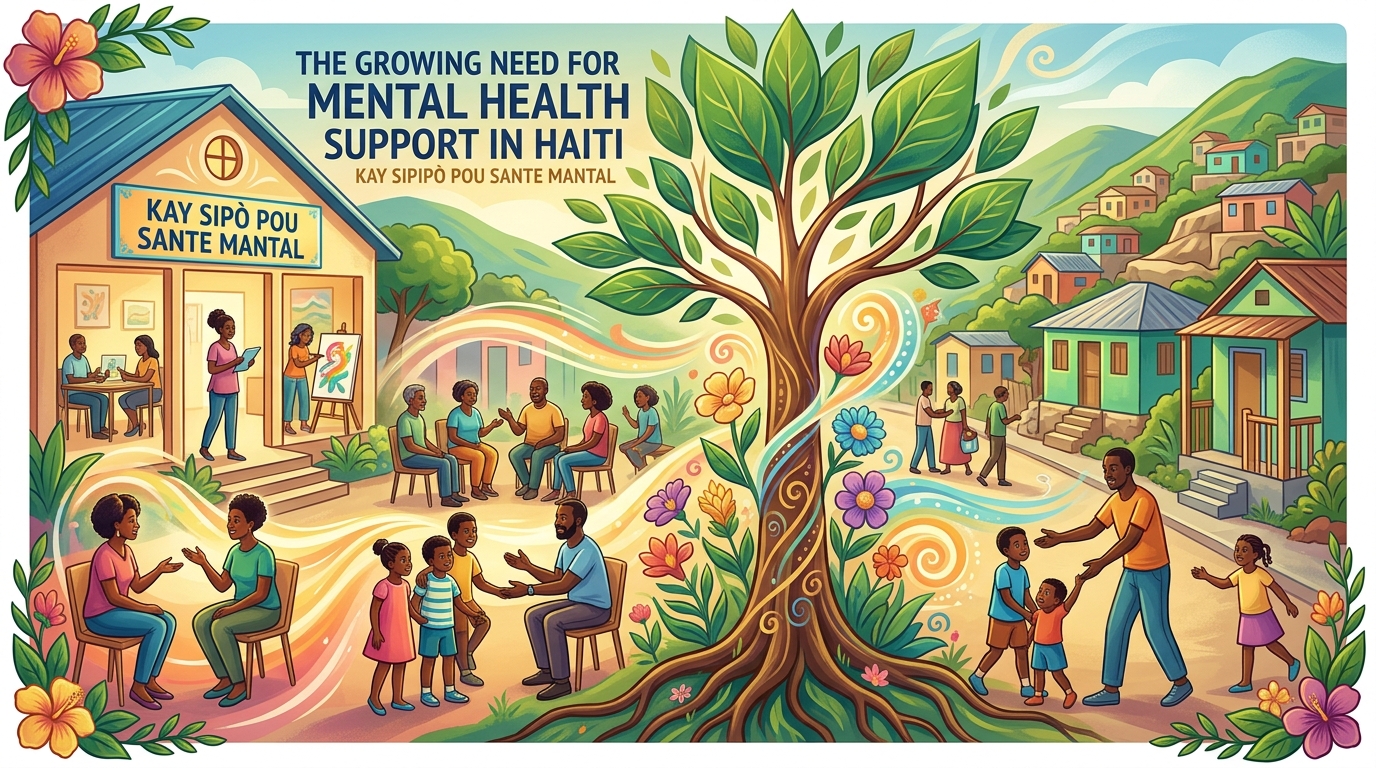
Amid political instability, natural disasters, and gang violence, Haiti faces a critical mental health crisis that affects both homeland communities and the diaspora. Over one in five Haitians struggle with serious mental health challenges, yet psychological support remains largely neglected despite the visible need for medical care and food security.
Key Points:
- Organizations like Rebati Santé Mentale (RSM) pioneer culturally sensitive mental health interventions in Haiti
- The Haitian Mental Health Network specifically addresses needs of U.S.-based diaspora communities
- Mental health impacts from gang violence, displacement, and TPS uncertainty compound existing trauma
- Culturally competent services are essential for long-term recovery and well-being
Why it matters: The stress of watching your homeland descend into chaos while facing deportation threats in your adopted country takes a profound psychological toll. Mental health isn’t a luxury—it’s essential healthcare, especially when our community faces compounding crises. RSM and the Haitian Mental Health Network offer culturally informed support that understands the unique pressures facing Haitians both in Port-au-Prince and across the diaspora. Seeking help is a sign of strength, not weakness.
🔥 Trending
-
Kenscof Violence: Bodies Used as Barricades: Critical investigation examines escalating tensions in Kenscof, where excessive force and the controversial arrest of Prophet Makenson raise serious questions about security operations and governmental accountability. Over 20,600 views signal major community concern.
-
Small Plane Emergency Landing Off Port-au-Prince: All three aboard a ZED airline Cessna 402 escaped unharmed after emergency water landing near Ibo Beach. Rescue by U.S.-supervised anti-gang task force helicopter highlights ongoing security operations.
-
Former Deputy Arnel Bélizaire Released: After three months detention on terrorism financing charges, the controversial former Delmas/Tabarre representative walks free—though charges have not been publicly dismissed and U.S. corruption designation remains.
-
Naomi Osaka’s Haitian Heritage Celebrated: Tennis champion’s Haitian father Leonard Francois featured in profile highlighting his journey from Haiti and role in raising a four-time Grand Slam winner—a story of Haitian excellence and family sacrifice.
⚡ Quick Hits
🎯 Community-Centered Journalism Covers Haitian Flag Day
Connecticut Mirror’s Reginald David demonstrates how journalism should be done—building trust in Bridgeport’s Haitian community by showing up consistently, attending cultural events like Haitian Flag Day, and positioning himself as neighbor first, reporter second. His approach prioritizes relationships over quick headlines. (Read more)
🎯 Dominica Should Lead Caribbean Creole Renaissance
Gordon Henderson argues that Dominica’s unique position—geographically between Martinique and Guadeloupe, bilingual in English and French Creole—positions it perfectly to bridge English and French-speaking Caribbean nations. Creole civilization represents a major unifying force, with Haiti central to this linguistic and cultural identity. (Read more)
🎯 Mizik Ayiti! Celebrates Haitian Culture in Brooklyn
Brooklyn-based Haitian American drummer Gashford Guillaume’s Creole Fusion Ensemble blends jazz, soul, R&B, and world music in vibrant celebration of Haitian heritage. Though the July 9 Brooklyn Botanic Garden performance was canceled due to rain, the Haiti Cultural Exchange partnership demonstrates ongoing diaspora cultural preservation efforts. (Read more)
🎯 Caribbean Cultural Exchange in South Florida
The University Singers make their historic Florida debut at Miramar Cultural Center July 25-26, celebrating Caribbean musical heritage in a South Florida community with significant Haitian population. Regional cultural solidarity strengthens all Caribbean diaspora communities. (Read more)
🎓 Industry Insight
Understanding TPS and What Comes Next
Temporary Protected Status was designed as a humanitarian safeguard—allowing nationals from countries experiencing armed conflict, natural disasters, or extraordinary conditions to remain legally in the United States. For Haitians, TPS has been a lifeline through earthquakes, political instability, and now unprecedented gang violence.
The Supreme Court’s decision to strip these protections leaves thousands of families in legal limbo. Many TPS holders have lived in America for years, built careers, raised American-born children, and established deep community roots. Deportation doesn’t just mean leaving a job—it means sending people back to a country where 90% of the capital is controlled by armed gangs and 1.5 million people are internally displaced.
What can you do? First, connect affected family and friends with legal resources immediately—the Haitian Bridge Alliance offers free consultations. Second, document everything: employment records, community ties, children’s school enrollment, and medical needs. Third, explore alternative immigration pathways with qualified attorneys; TPS isn’t the only option, though it was the most accessible. Finally, support advocacy efforts: contact your representatives, participate in community organizing, and amplify diaspora voices demanding humane immigration policy. This fight isn’t over—it’s just entering a new phase that requires sustained community action.
❓ Question of the Day
How are you planning to support community members affected by the TPS decision?
- A) Connecting them with legal resources like Haitian Bridge Alliance
- B) Offering practical support (housing, childcare, financial assistance)
- C) Participating in advocacy and contacting representatives
- D) All of the above - comprehensive community response
👋 Wrap Up
This week’s news reflects both the challenges and the resilience that define our community. The Supreme Court’s TPS decision threatens thousands of Haitian families, but organizations like the Haitian Bridge Alliance stand ready with resources, legal support, and advocacy. Meanwhile, the humanitarian crisis in Haiti—from Kenscof violence to Port-au-Prince displacement—reminds us why protection matters and why mental health support is essential for both homeland and diaspora communities.
Yet even in crisis, our culture endures. From Gashford Guillaume’s Creole Fusion Ensemble to community journalists covering Haitian Flag Day with respect and care, we continue celebrating our heritage and building solidarity. Dr. Lilite’s call to action says it best: this is the moment for unity, compassion, and concrete support for our neighbors. Stay informed, stay connected, and remember—dignity has no nationality.
Pou Ayiti ak tout kominote nou an,
HDP Haitian Community weekly news Editor
📊 How did you like today’s email?
Enjoyed this issue?
Subscribe to get HDP Haitian Community weekly news delivered to your inbox every week.
Join 30 other subscribers • Free forever