
Haiti at a Crossroads: Deportations, Dreams & Glory
What's happening to our people—and what we can do about it


|
Welcome to HDP Haitian Community weekly news!
This week brings critical news for our diaspora family as the Supreme Court ruling on TPS shakes 350,000 Haitian households, while Caribbean leaders gather to chart a unified response to mounting U.S. deportation pressures and Haiti’s deepening security crisis.
What’s in this issue:
- 🚨 Supreme Court TPS ruling threatens 350,000 Haitian families with deportation
- 🤝 CARICOM summit addresses Haiti crisis and regional solidarity amid U.S. pressure
- ⚖️ Jamaica navigates third-country deportation agreements as Caribbean nations respond
- 🇭🇹 Port-au-Prince security crisis context: why return remains life-threatening
- 🎉 Diaspora resilience: Army veteran brings Artibonite flavors to North Carolina
💡 Quote of the Day
“We shouldn’t deport people into war zones. The State Department warns these countries are too dangerous for Americans—yet we’re sending vulnerable migrants back to face those same threats.”
— Congressional advocates responding to Supreme Court TPS ruling
📰 Latest News
🔗 Supreme Court Clears Path to Revoke TPS for 350,000 Haitians (4 minute read)
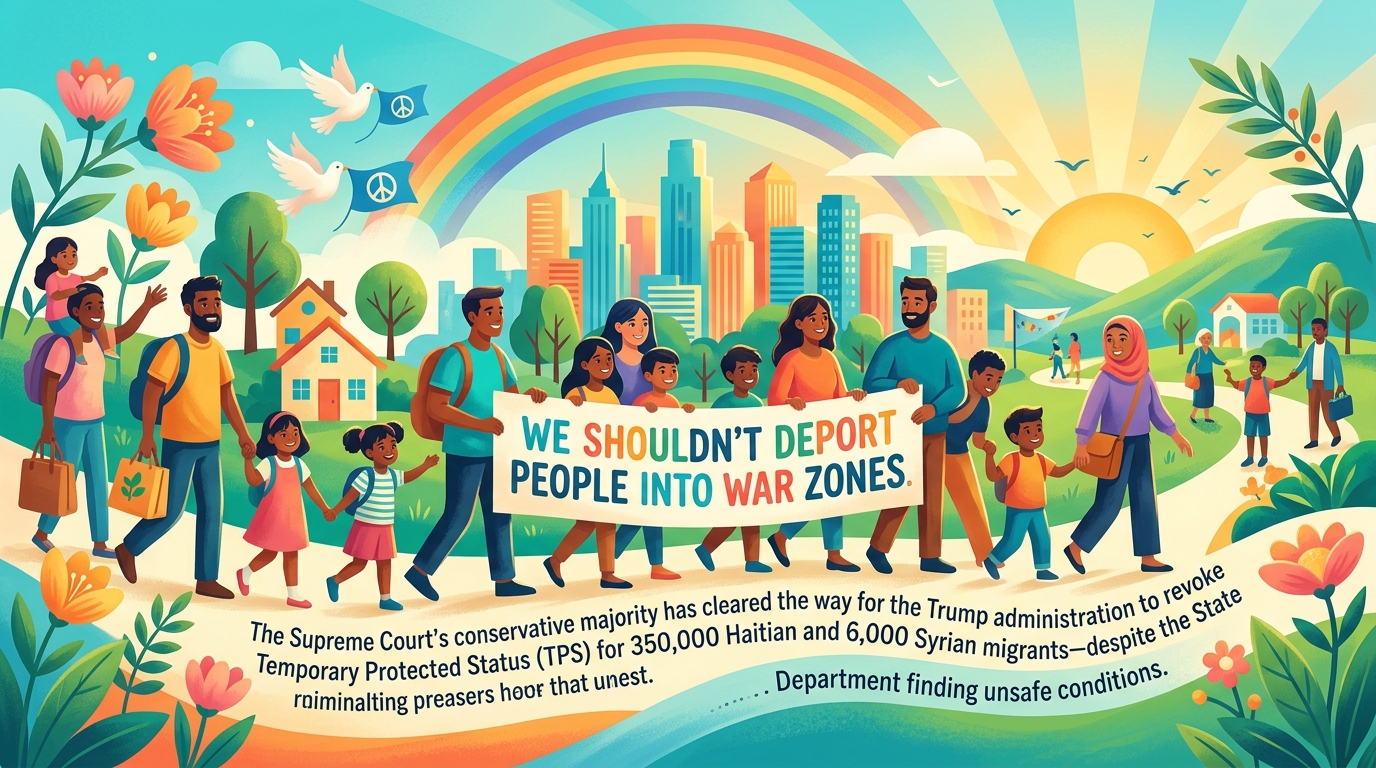
The Supreme Court’s conservative majority has delivered a devastating blow to Temporary Protected Status holders, clearing the way for the Trump administration to revoke TPS for 350,000 Haitian and 6,000 Syrian migrants—despite the State Department’s own warnings that these countries are too dangerous for American citizens to visit. The ruling strips judicial review from TPS decisions, granting the administration unilateral power to end protections without accountability.
Key Points:
- 350,000 Haitian TPS holders now face deportation to a country the State Department deems unsafe for Americans
- The court ruled that TPS revocation decisions cannot be challenged in federal courts, eliminating legal protections
- This precedent threatens all TPS holders from active warzones including Ukraine, Sudan, and Lebanon
- Some Republicans recognize the economic and humanitarian crisis mass deportations would create
- Congress must act immediately to protect vulnerable populations from deportation to life-threatening conditions
Why it matters: This is the most urgent threat facing our diaspora community right now. Families who have built lives, raised children, paid taxes, and contributed to American communities for years suddenly face deportation to gang-controlled Haiti where 70% of Port-au-Prince remains under criminal control. The ruling removes the last legal safeguard protecting TPS holders, making congressional action the only remaining path to safety. Every Haitian family in the U.S. needs to understand their rights, document their presence, and contact their representatives immediately. (Read more)
🔗 Caribbean Leaders Unite at St. Lucia Summit Amid Haiti Crisis and U.S. Pressure (6 minute read)

Caribbean leaders gathered in St. Lucia for a four-day summit seeking unity in the face of growing regional tensions, with Haiti’s security crisis and U.S. deportation policies dominating discussions. The 15-member CARICOM bloc faces internal challenges—including controversy over Secretary-General Carla Barnett’s reappointment—while navigating external pressures from the Trump administration’s visa restrictions and aggressive deportation agenda.
Key Points:
- Saint Lucia’s incoming chairman urged leaders to move beyond rhetoric and deliver tangible benefits to citizens facing rising food prices and crime
- The summit addressed Haiti’s deepening crisis as gangs control 70% of Port-au-Prince and displacement reaches record levels
- Trump administration policies including visa restrictions and deportation threats have strained Caribbean-U.S. relations
- Martinique was welcomed as an associate member, with French Guiana’s admission expected
- Regional leaders committed to collective responses on security, migration, and economic challenges
Why it matters: This summit reveals how Caribbean nations are responding collectively to both Haiti’s internal crisis and U.S. deportation pressures that threaten to destabilize the entire region. CARICOM’s unified stance offers Haiti diplomatic support and potentially shields other Caribbean nationals from similar treatment. For the diaspora, regional solidarity means Haiti isn’t facing these challenges alone—Caribbean leaders recognize that mass deportations to an unstable Haiti would create a humanitarian catastrophe with regional consequences. The “Martinique Appeal” commitment to combat weapons trafficking and organized crime directly addresses the security vacuum enabling gang control in Port-au-Prince. (Read more)
🔗 Jamaica Denies Third-Country Nationals Arrival Amid U.S. Deportation Agreement Talks (3 minute read)
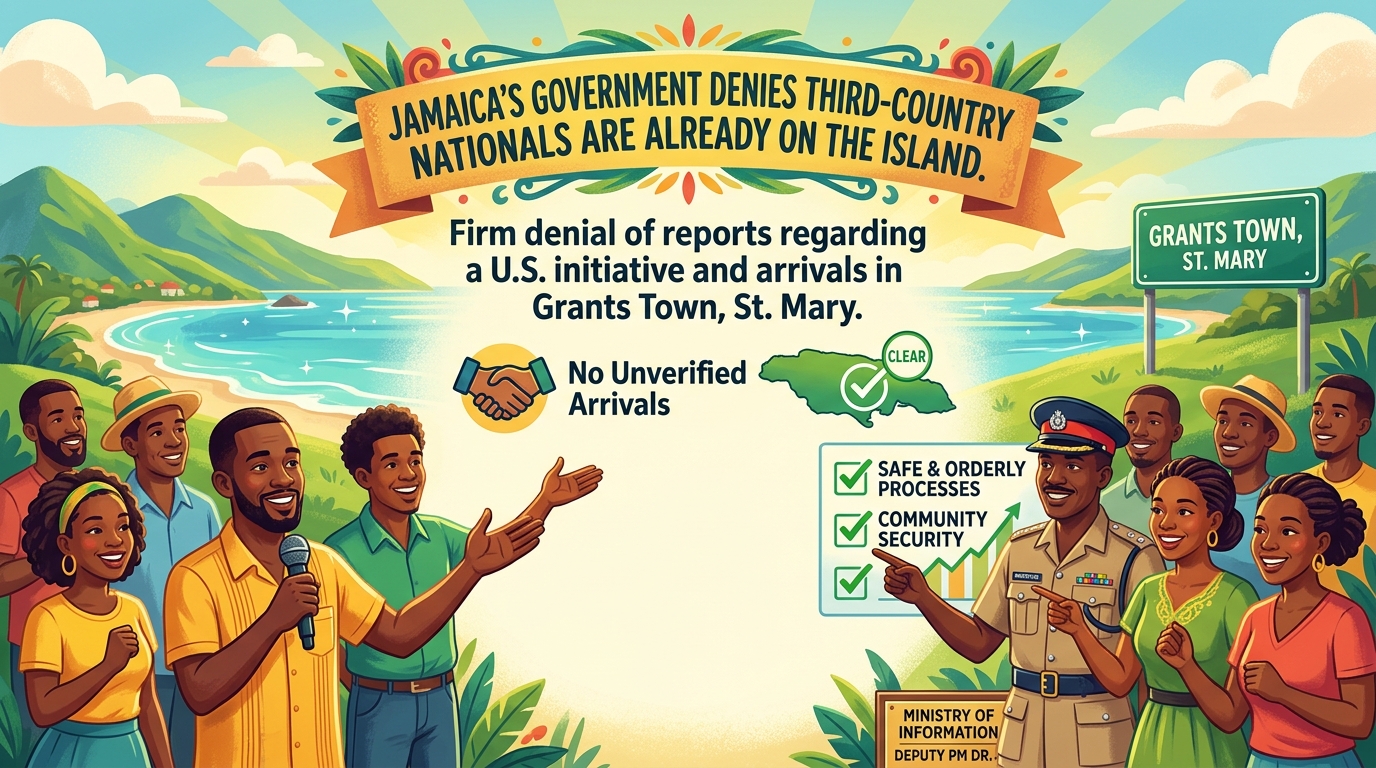
Jamaica’s government has firmly denied reports that third-country nationals from a U.S. deportation initiative have already arrived on the island, specifically disputing claims about Grants Town, St. Mary. Deputy Prime Minister Dr. Horace Chang clarified that no accommodation arrangements have been finalized, though technical reviews of the U.S. Memorandum of Understanding continue among National Security, Foreign Affairs, and International Organization of Migration officials.
Key Points:
- False rumors sparked community anger and jeopardized a retired public servant’s Airbnb business in St. Mary
- Jamaica joins other CARICOM nations considering U.S. agreements to accept third-country nationals
- Technical details of the MOU remain under review, with no timeline for implementation
- The controversy reveals community resistance to hosting deportees from other nations
- Regional coordination suggests multiple Caribbean nations are negotiating similar arrangements
Why it matters: This story exposes the complex regional dynamics behind U.S. deportation policy and what it means for Haitian migrants. Rather than direct deportation to Haiti’s gang-controlled territory, the U.S. is negotiating “third-country” agreements where Caribbean nations like Jamaica would accept deportees. For Haitians facing TPS revocation, this could mean deportation not to Port-au-Prince but to another Caribbean nation—creating a new form of displacement. The community backlash in Jamaica suggests these agreements face significant local resistance, potentially limiting their viability. Understanding these alternative deportation scenarios is crucial as families prepare for possible outcomes beyond direct return to Haiti. (Read more)
🔥 Trending
-
Haiti’s Organized Crime Crisis: Comprehensive Analysis: Gangs now control 70% of Port-au-Prince following President Jovenel Moïse’s unsolved 2021 assassination, with a March 2026 massacre killing 70 and displacing 6,000. This deep-dive explains why the State Department warns Haiti is too dangerous for Americans—and why TPS revocation is a life-or-death issue.
-
Haitian Deportee’s $3,000 Journey Ends in Chains: Construction worker Maxin Orelien’s story humanizes the deportation crisis—spending life savings to reach the U.S., only to be expelled by the Biden administration in shackles in 2021, forcing him to flee Haiti again the following month.
-
Haiti’s World Cup Heroes Return to Port-au-Prince: The Grenadiers received a hero’s welcome after their historic World Cup qualification, providing crucial morale boost for a nation where gangs control 70% of the capital. Players including Duckens Nazon toured under heavy security, reminding citizens of Haitian resilience and cultural pride.
-
Haiti Government Reforms Continue Amid Crisis: Goethie Varnelle Morency installed as new Anti-Corruption Unit Director, while Justice Minister Patrick Pélissier participated in Martinique Regional Security Conference resulting in the “Martinique Appeal” to combat weapons trafficking and organized crime.
⚡ Quick Hits
🎯 Army Veteran Brings Artibonite Flavors to Fayetteville
Army veteran Eddy Claude opened Germène’s Home Kitchen & Bakery in Fayetteville, NC, bringing authentic Haitian cuisine from the Artibonite region after nearly 21 years at Fort Bragg. Named after his late grandmother, the restaurant features traditional dishes including lalo stew and griot pork. Claude sponsored seven family members through humanitarian parole, who now help operate the business—a diaspora success story of cultural preservation and family reunification. (Read more)
🎯 Brooklyn Mental Health Workshop Centers Caribbean Wellness
Antoine B. Craigwell, CEO of Depressed Black Gay Men, Inc., hosts “Building Strength for the Caribbean Mind” on July 25 at Saint Lucia House in Brooklyn. The free workshop explores mental wellness through Caribbean cultural lens, using Creole language and addressing ancestors’ roles, mental illness prevention, and suicide awareness—crucial resources as TPS stress and family separation anxiety impact our community. (Read more)
🎯 Leominster Revives Bohemian Night Celebrating Haitian Culture
Leominster brings back Bohemian Night (Noche Bohemia) to Carter Park on July 18, 6-9 p.m., blending Latin and Haitian culture through live music, dance, and cuisine. The free, family-friendly event features Peru-native Carlos Odria’s trio performing Latin folk, flamenco, jazz, and Afro-Peruvian rhythms, with Spanish American Center food truck serving empanadas and traditional dishes. (Read more)
🎓 Industry Insight
Understanding TPS: What Haitian Families Need to Know Right Now
Temporary Protected Status was created to prevent deportations to countries experiencing armed conflict, environmental disasters, or conditions that temporarily prevent safe return. Haiti received TPS designation following the devastating 2010 earthquake, with extensions granted as the country faced political instability, natural disasters, and now unprecedented gang violence.
The Supreme Court’s recent ruling fundamentally changes TPS by eliminating judicial review—meaning the executive branch can now revoke protections without courts intervening to assess whether conditions in the home country have actually improved. For the 350,000 Haitians currently protected, this creates immediate legal vulnerability. The State Department’s own travel advisory warns Americans against visiting Haiti due to “kidnapping, crime, civil unrest, and poor health infrastructure,” yet the administration can now deport TPS holders to face these same dangers.
What should families do? First, document everything—maintain records of continuous U.S. presence, employment, tax payments, and community ties. Second, consult immigration attorneys immediately to explore alternative legal pathways (asylum claims, family-based petitions, employment visas). Third, contact congressional representatives to support legislation providing permanent protections for long-term TPS holders. Finally, connect with community organizations offering legal clinics and know-your-rights workshops. This is not the time to wait—proactive preparation can make the difference between family separation and safety.
❓ Question of the Day
What concerns you most about the TPS Supreme Court ruling?
- A) Immediate deportation risk for my family
- B) Safety conditions in Haiti if forced to return
- C) Economic impact on Haiti from lost remittances
- D) Precedent this sets for other immigrant communities
👋 Wrap Up
This week’s news carries the weight of 350,000 Haitian families suddenly facing an uncertain future as the Supreme Court strips away TPS protections that have kept them safe for years. The ruling comes as gangs control 70% of Port-au-Prince and the State Department itself warns Haiti is too dangerous for Americans—yet our community members may be forced to return to those same life-threatening conditions.
But amid the crisis, we see resilience: Caribbean leaders gathering in solidarity, diaspora entrepreneurs like Eddy Claude building cultural bridges in Fayetteville, and Haiti’s World Cup heroes reminding us of our unbreakable spirit. The path forward requires immediate action—legal preparation, congressional advocacy, and community solidarity. Stay informed, stay connected, and know that we face these challenges together.
Kenbe fèm,
HDP Haitian Community weekly news Editor
📊 How did you like today’s email?
Enjoyed this issue?
Subscribe to get HDP Haitian Community weekly news delivered to your inbox every week.
Join 30 other subscribers • Free forever