
Haiti at a Crossroads: Elections, Intervention & Hope
Breaking: Salvadoran troops arrive as gang leaders make unprecedented move
|
Welcome to HDP Haitian Community weekly news!
This week, we face the dual reality of military intervention and humanitarian crisis—from El Salvador’s 2,000 troops searching for missing soldiers to nearly 6 million Haitians facing hunger. But amid the struggle, our community shows resilience: American Airlines returns with all-Haitian crew, Little Haiti launches new resources, and we continue reclaiming our narrative.
What’s in this issue:
- 🛡️ El Salvador deploys 2,000 troops as Haiti announces new election dates—what it means for sovereignty and safety
- 🍽️ The human cost: 5.8 million facing food insecurity, 1.5 million displaced by gang violence
- ✈️ Good news: American Airlines returns to Haiti after 2+ years with all-Haitian crew
- 💼 Little Haiti Revitalization Trust launches new website with grants and scholarships
- 🎬 How Hollywood distorted Haitian spiritual concepts into racist stereotypes
💡 Quote of the Day
“We must work together on education, job creation, trade, and climate resilience—but we cannot move forward without acknowledging the profound personal sorrow over the transatlantic slave trade and its lasting impact on our communities.”
— Adapted from King Charles III’s address at Commonwealth Heads of Government Meeting, highlighting the gap between acknowledgment and action that Caribbean nations continue to challenge
📰 Latest News
🔗 Haiti Announces New Election Dates as 2,000 Salvadoran Troops Help Fight Gangs (2 minute read)
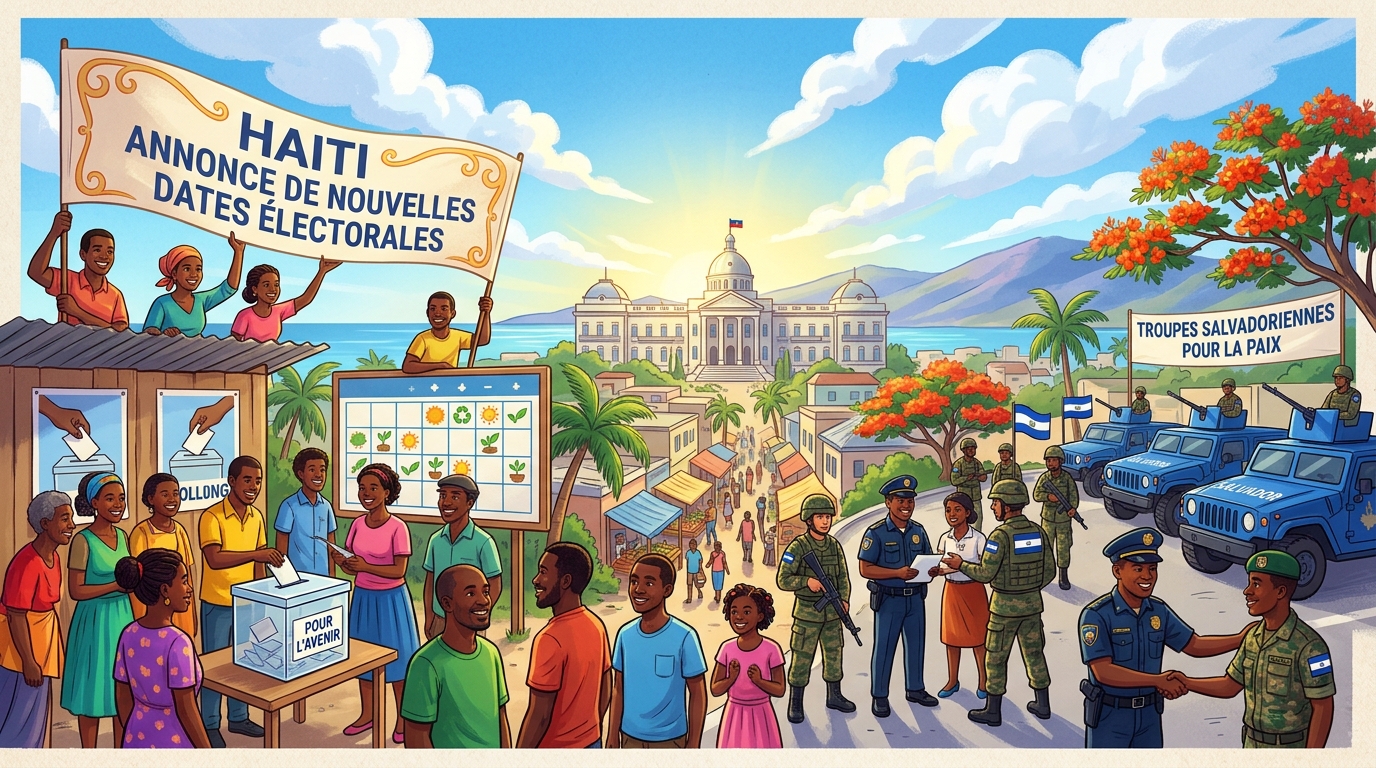
Haiti’s government has announced new election dates while over 2,000 troops from El Salvador have arrived to support Haitian police and military forces in fighting armed gangs. This international military support marks a significant intervention in Haiti’s ongoing security crisis, representing a critical moment for the nation’s democratic process as authorities attempt to restore stability and create conditions for electoral participation.
Key Points:
- Over 2,000 Salvadoran troops deployed to Haiti to bolster local security forces against gang violence
- New election dates announced as government attempts to restore democratic process amid crisis
- Haiti maintains command authority over foreign forces operating within its borders
- Deployment represents complex regional dynamics surrounding security interventions in the Caribbean
Why it matters: For diaspora families, this addresses two urgent questions: Who controls these foreign forces, and when will Haiti hold elections? Haiti’s government emphasizes it retains command of international troops, protecting sovereignty concerns. The new election timeline (postponed to July 2027) affects political transition and diaspora expectations for democratic participation. This military support aims to create safe conditions for families in Port-au-Prince and surrounding areas, though security improvements remain to be seen.
Rezime an Kreyòl: Ayiti toujou gen kontwòl sou fòs etranje yo. Eleksyon yo repouse pou Jiyè 2027. Gouvernman an ap travay pou kreye sekirite pou pèp la ka vote.
🔗 Human Rights Crisis: 5.8 Million Haitians Face Acute Food Insecurity (4 minute read)
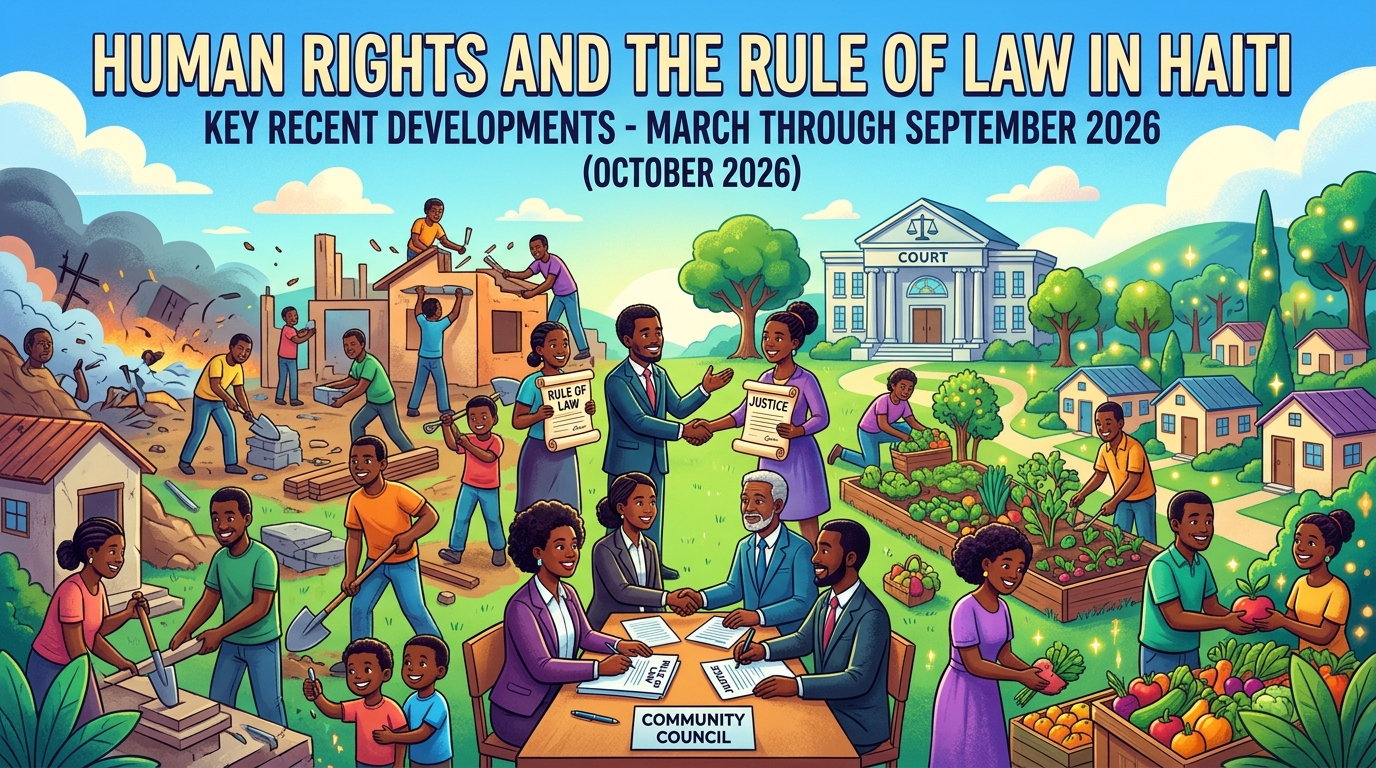
Haiti’s humanitarian crisis has dramatically worsened since March 2026, with over 3,300 deaths and 1.5 million people displaced by violence. Armed groups now control vast territories, blocking roads and humanitarian access, while 5.8 million Haitians face acute food insecurity—nearly half the population. Women and children face disproportionate violence, and state corruption enables criminal groups to operate with impunity.
Key Points:
- 5.8 million Haitians facing acute food insecurity as gang violence blocks food delivery routes
- 1.5 million displaced from their homes, with over 3,300 killed since March 2026
- Women and children disproportionately affected by violence, including sexual assault and forced recruitment
- International military responses fail to address root causes: corruption, impunity, and lack of governance
- Humanitarian funding declining even as crisis intensifies, affecting aid organizations’ capacity to respond
Why it matters: This is the human cost behind the headlines about troops and elections. Gang violence doesn’t just threaten security—it blocks roads, preventing food from reaching markets and driving prices beyond what families can afford. For diaspora members sending remittances, understand that your support is literally keeping families alive as humanitarian aid declines. The violence against women and children, forced displacement, and state corruption show why military solutions alone won’t work—Haiti needs root-cause solutions addressing governance, justice systems, and economic opportunity. This report explains why nearly 6 million people face hunger despite Haiti’s agricultural potential.
Sa vle di: Prèske 6 milyon moun ann Ayiti pa gen kisa pou yo manje. Gang yo bloke wout, manje pa ka rive. Fanmi nou yo bezwen èd nou kounye a.
🔗 Gang Leader Seeks UN Talks as Security Crisis Deepens (5 minute read)
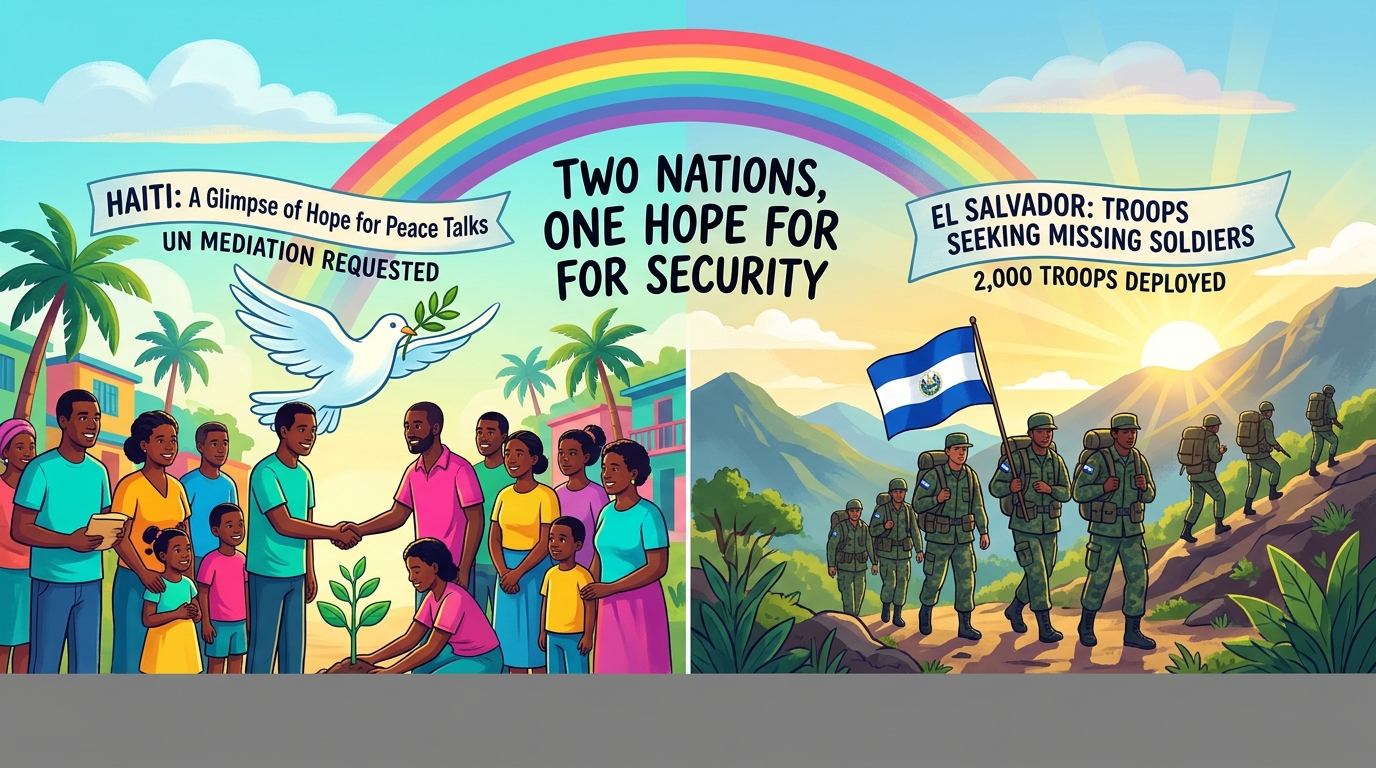
In a surprising development, prominent gang leader Wilson Joseph has requested UN mediation while claiming to seek peace—a dramatic shift from his organization’s notorious kidnapping history. Meanwhile, El Salvador’s 2,000-troop deployment continues searching for four missing soldiers ambushed by armed groups in October. The humanitarian toll is staggering: over 5,700 killed or injured since January, 1.5 million displaced, and 6.4 million requiring aid.
Key Points:
- Gang leader Wilson Joseph requests UN mediation, claiming desire for peace talks
- El Salvador deploys 2,000 troops to search for four soldiers missing since October ambush
- Over 5,700 people killed or injured since January 2026 alone
- 1.5 million Haitians displaced from their homes, 6.4 million require humanitarian assistance
- UN emphasizes all military operations must comply with international human rights law
Why it matters: This represents the dual reality facing Haiti: a gang leader seeking negotiations while foreign troops hunt for missing soldiers. For families in Haiti and abroad, Wilson Joseph’s UN request raises critical questions—is this genuine peace-seeking or tactical maneuvering? The numbers tell the real story: 5,700+ casualties, 1.5 million displaced, and 6.4 million needing aid show that gang violence has created a humanitarian catastrophe affecting nearly every Haitian family. The El Salvador deployment’s human rights compliance matters because past security interventions have sometimes caused additional civilian harm. This is why diaspora advocacy for accountable, law-abiding security operations is essential.
🔥 Trending
-
Dominican Republic Militarizes Border with 10,000+ Troops: President Luis Abinader warns Haitian armed groups, deploying massive military reinforcements including armored vehicles, aircraft, and 24/7 drone surveillance. Coordination with El Salvador’s Bukele for intelligence sharing against gangs.
-
American Airlines Returns to Haiti After 2+ Years: Service resumes to Cap-Haïtien (not Port-au-Prince) with all-Haitian crew, signaling renewed confidence and creating employment opportunities for diaspora connectivity.
-
Little Haiti Revitalization Trust Launches Resource Website: New littlehaititrust.com connects residents with $330K in business grants, $22.5K scholarships, and community programs—fourth-quarter funding cycle now open.
-
The Haitian Times Builds AI Tool for Culturally Sensitive Coverage: Publisher Vania André creates affordable app testing stories against five audience personas for dignity and appropriate framing—diaspora media innovation leadership.
⚡ Quick Hits
🎯 Dominican Border Security Intensifies with “Terrorist” Warning
President Abinader’s declaration that armed groups will be treated as “terrorists” if they approach the border has major implications for cross-border families, remittances, and migration pressure. The 10,000+ troop deployment with drones and armored vehicles represents the most significant Dominican militarization in years. (Read more)
🎯 King Charles Expresses “Horror” Over Slave Trade But Offers No Apology
At the Commonwealth meeting in Antigua, King Charles III expressed “profound personal sorrow” over the transatlantic slave trade but stopped short of formal apology or addressing reparations. For Haiti—the first Black republic born from successful slave revolt—this gap between acknowledgment and action affects broader Caribbean justice conversations. (Read more)
🎯 Documentary “Black Zombie” Reclaims Haitian Cultural Narrative
Director Maya Annik Bedward’s film examines how Hollywood distorted Haitian spiritual concepts—zombies originally represented slavery victims, not monsters—into racist stereotypes. The documentary connects this cultural appropriation to contemporary discrimination against Haitian immigrants, including false claims and TPS battles. (Read more)
🎯 Cap-Haïtien Welcomes American Airlines Return
After more than two years, American Airlines resumes Haiti service—to Cap-Haïtien rather than Port-au-Prince due to security concerns. The all-Haitian crew represents both job opportunities and symbolic importance for diaspora connectivity and family visits. This signals renewed confidence in Haiti’s northern region. (Read more)
🎯 $330K in Business Grants Available in Little Haiti
The Little Haiti Revitalization Trust’s new website littlehaititrust.com offers accessible pathways to funding—$330,000 in small business grants distributed so far, plus $22,500 in scholarships. With a $6 million budget and eight programs including home rehabilitation and placemaking, the fourth-quarter funding cycle is now open. (Read more)
🎓 Industry Insight
Understanding Military Intervention and Sovereignty in Haiti
This week’s news about El Salvador’s 2,000-troop deployment raises important questions for diaspora members: Who controls these foreign forces, and what does this mean for Haiti’s sovereignty? Haiti’s government has emphasized that it retains command authority over all international military operations within its borders—a critical distinction from past interventions where foreign forces operated independently.
The current security support differs from previous missions in structure and accountability. Haiti’s authorities maintain operational command, meaning foreign troops support rather than replace Haitian security forces. The UN has emphasized that all operations must comply with international human rights law, addressing concerns about civilian protection that arose in past interventions.
However, the human rights report reveals why military solutions alone haven’t worked: gang violence is a symptom of deeper governance failures, corruption, and impunity. Armed groups thrive because state institutions are weak and officials sometimes collude with criminals. For lasting security, Haiti needs not just troops but justice system reform, anti-corruption measures, and economic opportunities that give young people alternatives to gang recruitment. Diaspora advocacy should push for comprehensive solutions that address root causes while ensuring any security operations respect human rights and Haitian sovereignty.
❓ Question of the Day
What concerns you most about Haiti’s current situation?
- A) Security and gang violence
- B) Food insecurity and humanitarian crisis
- C) Foreign military intervention and sovereignty
- D) Election delays and political transition
👋 Wrap Up
This week’s news reflects the complex reality facing Haiti and our diaspora community: military intervention alongside humanitarian catastrophe, election delays amid security crisis, and the ongoing struggle for sovereignty and survival. While 2,000 Salvadoran troops search for missing soldiers and gang leaders request UN mediation, 5.8 million Haitians face acute hunger and 1.5 million have been displaced from their homes.
Yet amid this crisis, we see resilience and progress: American Airlines returns with all-Haitian crew, Little Haiti launches resources for our community, and Haitian media leads innovation in culturally sensitive journalism. Our community continues to show that we are more than the headlines—we are entrepreneurs, innovators, and survivors who support each other across borders. Keep sending those remittances, stay informed, and advocate for comprehensive solutions that address root causes while respecting Haiti’s sovereignty.
Kenbe fèm,
HDP Haitian Community weekly news Editor
📊 How did you like today’s email?
Enjoyed this issue?
Subscribe to get HDP Haitian Community weekly news delivered to your inbox every week.
Join 30 other subscribers • Free forever