
Haiti at a Crossroads: Justice, Gangs & TPS Crisis
What's next for thousands of Haitians facing deportation and rising violence?

|
Welcome to HDP Haitian Community weekly news!
This week brings urgent news for our diaspora families: critical updates on TPS protections, the security crisis driving instability in Haiti, and the justice reforms that could finally hold powerful criminals accountable—or become another failed promise.
What’s in this issue:
- 🚨 Supreme Court TPS decision threatens 350,000+ Haitian families with impossible choices
- ⚖️ Haiti’s new specialized courts could prosecute gang violence—if corrupt judges don’t sabotage them first
- 🛡️ Philadelphia releases emergency resources for TPS holders facing legal uncertainty
- 💪 Congressional hearing reveals gang control of 90% of Port-au-Prince and the new $117M response plan
- 🎵 Cultural resilience: How Haitian-American artists preserve our heritage through music
💡 Quote of the Day
“People are in shock. These are individuals who have been here 15, 20 years. They have homes, businesses, children born here. Now they face returning to a country the U.S. State Department itself warns Americans not to visit.”
— Immigration attorney representing Haitian TPS holders in South Florida
📰 Latest News
🔗 ‘People are in shock’: The end of TPS hits the heart of the US Haitian diaspora (7 minute read)
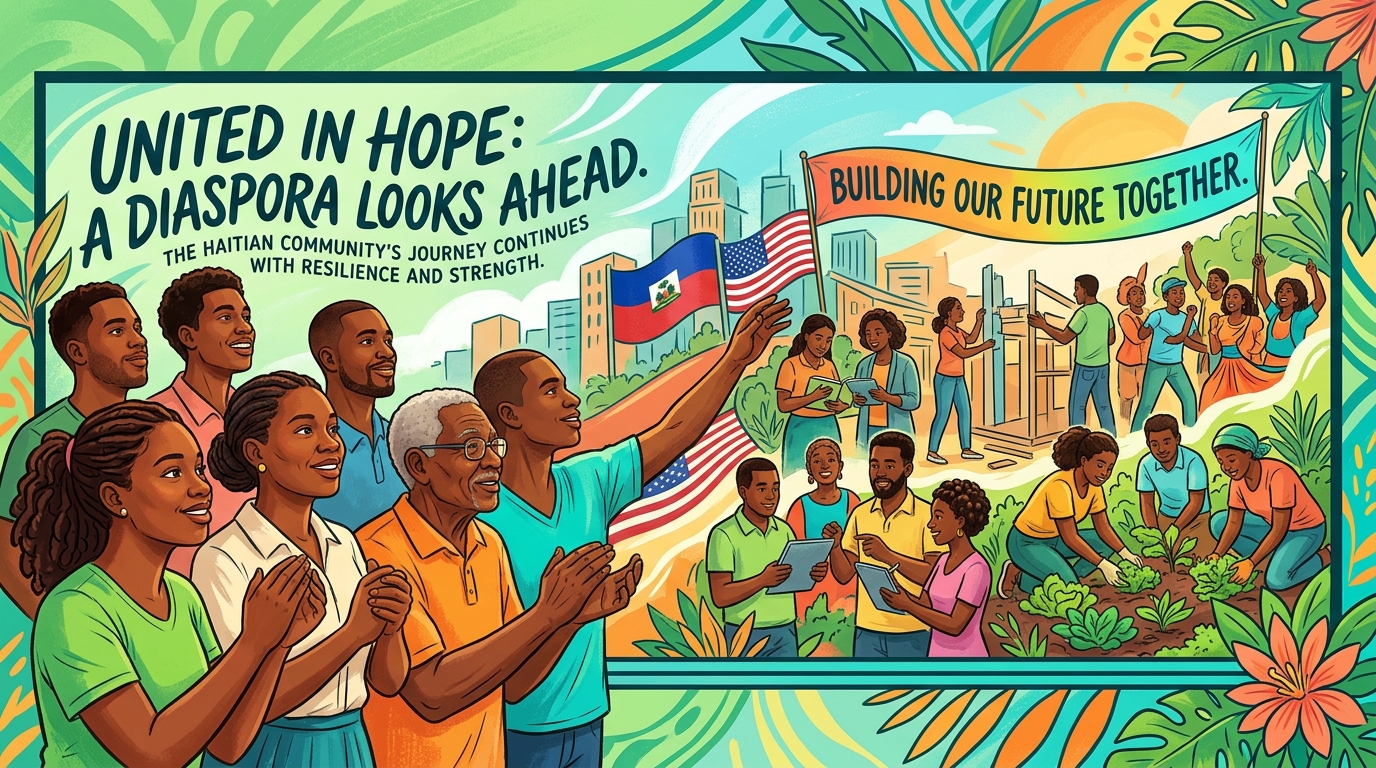
The Supreme Court’s 6-3 decision allowing the Trump administration to end Temporary Protected Status has devastated South Florida’s Haitian diaspora and created an impossible dilemma for over 350,000 Haitian families. Many beneficiaries have lived in the United States for more than 15 years since receiving TPS after Haiti’s catastrophic 2010 earthquake, building entire lives—purchasing homes, starting businesses, raising American-born children. Now they face the unthinkable: family separation or returning to a country the U.S. State Department actively warns against due to pervasive gang violence and humanitarian crisis.
Key Points:
- Over 350,000 Haitians with TPS face potential deportation despite living legally in the U.S. for 15+ years
- The ruling sets a precedent threatening TPS for 1.3 million beneficiaries from 17 countries total
- Families face impossible choices between separation or returning to gang-controlled Haiti where violence has displaced 1.4 million people
- Economic consequences extend beyond the U.S.—Haiti’s economy depends heavily on remittances from diaspora workers in healthcare and other critical sectors
Why it matters: This decision doesn’t just threaten legal status—it tears apart families who’ve built their entire lives in America and devastates Haiti’s economy, which relies on billions in remittances from diaspora workers. The timing couldn’t be worse: Haiti remains in crisis with gangs controlling most of Port-au-Prince, making deportation a potential death sentence. For diaspora families, this means immediate action is required to explore legal options, prepare family emergency plans, and connect with community organizations offering support during this terrifying uncertainty.
🔗 Resources for Haitian and Syrian TPS Recipients (5 minute read)
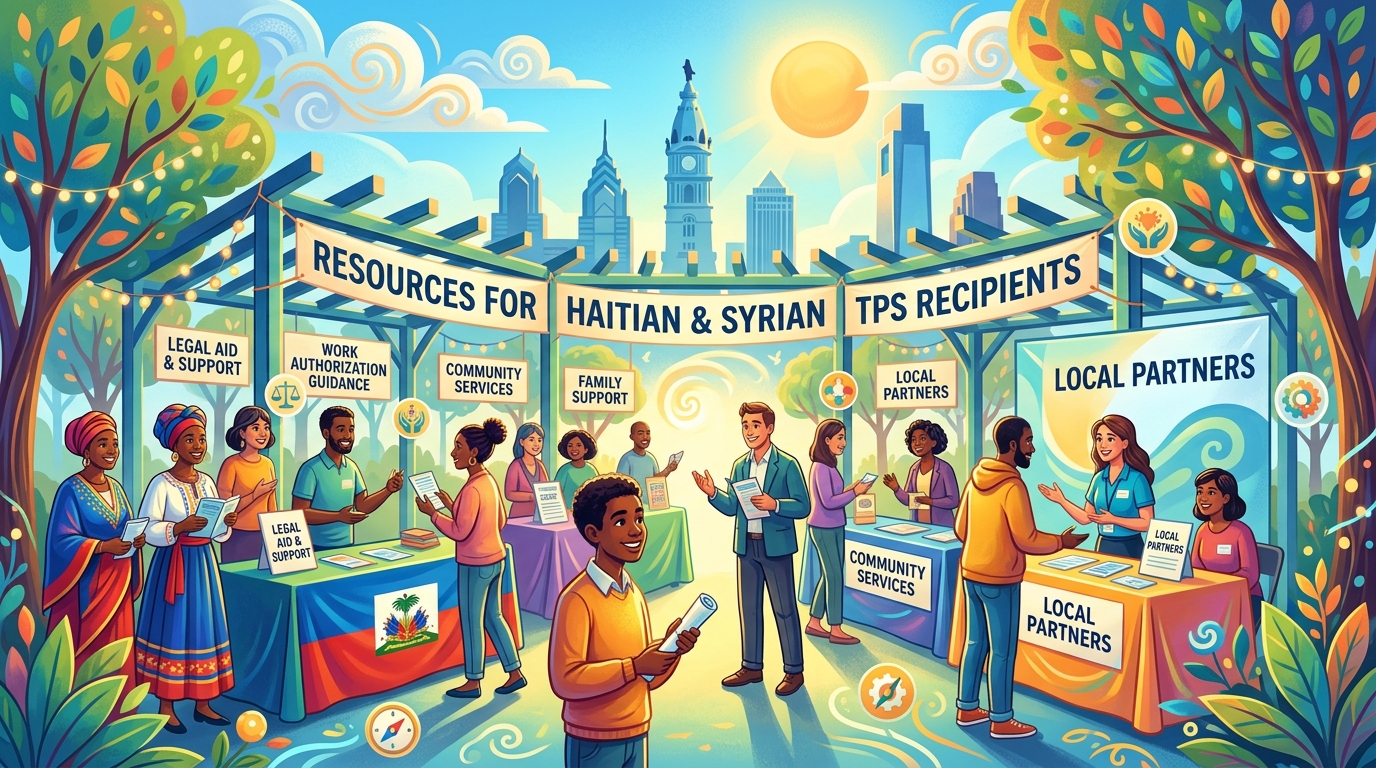
Philadelphia’s Office of Immigrant Affairs has released comprehensive emergency resources for Haitian TPS holders following the Supreme Court ruling, demonstrating how local governments are stepping up even as federal protections collapse. The city emphasizes that every immigration case is unique and urges TPS holders to consult qualified immigration attorneys before making any decisions about their status. Free, confidential multilingual support is available through the Office of Immigrant Affairs at 215-686-0876, connecting families with trusted organizations including HIAS Pennsylvania, Haitian Americans United for Change, and The Defenders Association.
Key Points:
- Philadelphia provides free family preparedness toolkits covering childcare arrangements, legal services, and constitutional rights
- Multiple languages supported through the Office of Immigrant Affairs hotline (215-686-0876)
- Vetted community organizations offer legal consultations and support services specifically for Haitian families
- Resources include know-your-rights information and connections to immigration attorneys who understand the complexity of individual cases
Why it matters: This is your essential survival guide for navigating TPS uncertainty. Philadelphia’s comprehensive response shows how local communities are mobilizing to protect diaspora families even when federal protections disappear. Don’t wait—reach out to these free resources now to understand your legal options, prepare your family for multiple scenarios, and connect with attorneys who can evaluate your specific situation. Time is critical, and these organizations are ready to help you make informed decisions about your family’s future.
🔗 Haiti’s New Courts Could Change Everything — Or Nothing At All (10 minute read)
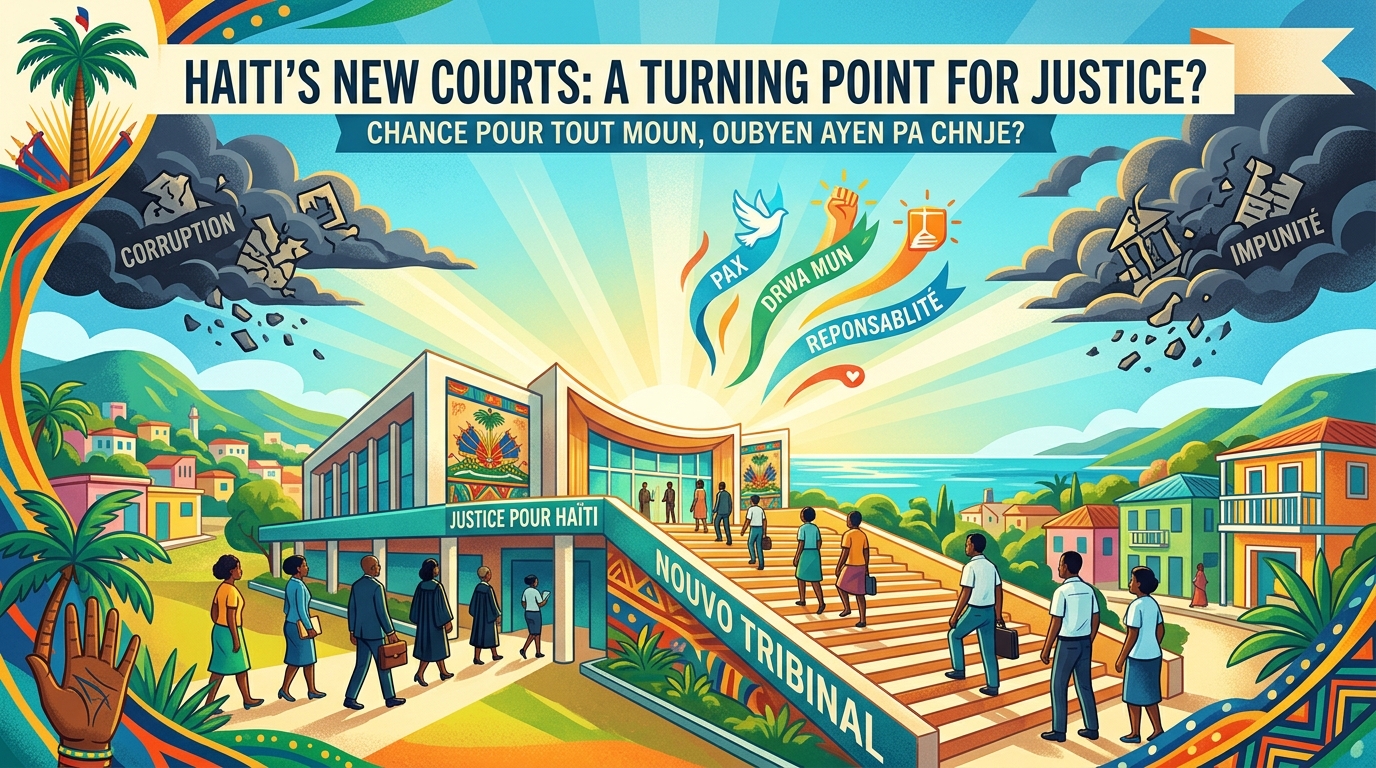
Haiti’s newly established specialized courts represent a critical opportunity to finally prosecute the gang massacres, corruption, and money laundering that have devastated the country and driven hundreds of thousands into displacement. However, the courts face two fundamental threats before they even begin: a government decree that could strip them of jurisdiction over top officials, and documented evidence that some appointed judges and prosecutors have troubling ties to the very corruption they’re supposed to combat. Bernard Saint-Vil and Raymond Jean Michel, both named to these courts, have records including case mishandling and evidence theft that raise serious questions about their fitness to deliver justice.
Key Points:
- Specialized courts designed to prosecute complex crimes including gang violence, corruption, and money laundering that have gone unpunished for years
- Government decree threatens to exempt top officials from prosecution, potentially making the most powerful criminals untouchable
- Appointed judges Bernard Saint-Vil and Raymond Jean Michel have documented histories of case mishandling and evidence theft
- Without rigorous vetting and revoking the protective decree, these internationally-backed courts risk becoming another failed reform
Why it matters: This explains why Haiti remains trapped in crisis despite international aid—the justice system itself is compromised from within. If these specialized courts fail due to corrupt appointees or protective decrees shielding powerful officials, gang violence and impunity will continue unchecked, perpetuating the security crisis that makes TPS necessary and keeps families separated across borders. The success or failure of these courts will determine whether Haiti can break the cycle of violence and corruption, or whether another generation will grow up under gang control with no accountability for those responsible. For diaspora families, this is about whether Haiti can ever become safe enough for loved ones—or for those facing deportation.
🔥 Trending
-
Gang Control Reaches 90% of Port-au-Prince: Congressional hearing reveals the failed $1 billion UN security mission left gangs controlling more territory than when it started, with 1.4 million displaced and a new $117M Gang Suppression Force launched
-
Philadelphia TPS Emergency Hotline: Free multilingual legal support at 215-686-0876 connects Haitian families with vetted immigration attorneys and community organizations
-
Haitian Athletes at Centennial Games: Haiti’s delegation competes in six disciplines at the 100th Central American and Caribbean Games in Santo Domingo through August 8
-
Leyla McCalla’s Cultural Preservation: First-generation Haitian-American cellist reshapes understanding of Haitian heritage through music in Creole, French, and English
⚡ Quick Hits
🎯 New Gang Suppression Force Launches with $117M Budget
House Foreign Affairs Committee Chairman Brian Mast announced the new Gang Suppression Force will take a more aggressive, kinetic approach after the UN mission’s $1 billion failure. The initiative costs $117 million annually but faces demands for clear success benchmarks and transparency on total U.S. costs including $40-68 million in bilateral aid before the September 30th mandate expires. (Read more)
🎯 Family Preparedness Toolkits Now Available
Philadelphia’s Office of Immigrant Affairs released comprehensive family preparedness resources covering childcare arrangements, legal services, and constitutional rights specifically for TPS holders facing uncertainty. The toolkits connect families with organizations like HIAS Pennsylvania and Haitian Americans United for Change offering free consultations. (Read more)
🎯 TPS Ruling Threatens 1.3 Million Across 17 Countries
Legal experts warn the Supreme Court precedent extends far beyond Haiti’s 350,000+ TPS holders, threatening protections for 1.3 million beneficiaries from 17 countries with significant economic consequences for healthcare and other critical sectors dependent on immigrant workers. (Read more)
🎯 Ava Soon Lee Adopts Haitian Nationality for Games
Korean American Pan American junior gold medalist Ava Soon Lee chose to represent Haiti in taekwondo at the centennial Games, strengthening the national program under her father’s coaching. She serves as co-flag bearer alongside boxer Welington Ceneus for Haiti’s delegation of athletes competing in taekwondo, boxing, cycling, judo, chess, and 3×3 basketball. (Read more)
🎯 Judicial Vetting Failures Threaten Court Credibility
International observers identified specific judges with documented corruption histories appointed to Haiti’s specialized courts, including evidence of case mishandling and theft that directly contradicts their mission to prosecute complex crimes. Without immediate vetting reforms and revoking protective decrees, the courts risk institutional failure before hearing their first case. (Read more)
🎓 Industry Insight
Understanding Your Legal Options After the TPS Ruling
The Supreme Court’s TPS decision doesn’t mean immediate deportation, but it does mean you need to act now to understand your options. Every immigration case is different—some families may qualify for asylum, adjustment of status through family members, U visa protection if they’ve been crime victims, or other forms of relief. The worst thing you can do is nothing or make decisions based on fear without consulting a qualified immigration attorney who understands the complexity of your specific situation.
Start by gathering your documentation: proof of continuous residence in the U.S., employment records, tax returns, birth certificates for U.S.-born children, and any previous immigration filings. Contact the free resources listed in this newsletter—Philadelphia’s Office of Immigrant Affairs (215-686-0876), HIAS Pennsylvania, Haitian Americans United for Change, or similar organizations in your area. These vetted organizations can connect you with attorneys offering free or low-cost consultations specifically for TPS holders.
Prepare your family for multiple scenarios by creating an emergency plan that includes childcare arrangements, power of attorney documents, financial access for family members, and know-your-rights information. Document everything, keep copies of important papers in multiple secure locations, and make sure trusted family members or friends know how to access critical information if needed. Remember: you have rights regardless of immigration status, including the right to remain silent and the right to an attorney. Don’t sign anything or make statements to immigration officials without legal representation. This is a frightening time, but you don’t have to face it alone—our community has resources and people ready to help you navigate this crisis.
❓ Question of the Day
What is your biggest concern regarding the TPS ruling?
- A) Family separation and deportation fears
- B) Finding affordable legal help and understanding my options
- C) Economic impact on my family in Haiti who depend on remittances
- D) Safety concerns if forced to return to gang-controlled areas
👋 Wrap Up
This week’s newsletter connects the dots between diaspora legal vulnerability and the ongoing crisis in Haiti: TPS protections are collapsing just as gang control reaches 90% of Port-au-Prince, while the justice system that could hold criminals accountable faces sabotage from within. These aren’t separate stories—they’re interconnected realities that affect every Haitian family, whether you’re in Philadelphia, Miami, Port-au-Prince, or anywhere our community calls home.
The most important message we can share is this: you are not alone, and action matters. If you have TPS, call the free legal resources listed above today—not tomorrow, today. If you have family in Haiti, stay informed about security conditions and support vetted community organizations working on the ground. If you’re part of the diaspora watching these events unfold, use your voice to demand accountability from both U.S. and Haitian officials. Our community’s resilience has carried us through centuries of challenges, and it will carry us through this crisis too—but only if we support each other, stay informed, and take action.
Kenbe fèm,
HDP Haitian Community weekly news Editor
📊 How did you like today’s email?
Enjoyed this issue?
Subscribe to get HDP Haitian Community weekly news delivered to your inbox every week.
Join 30 other subscribers • Free forever