
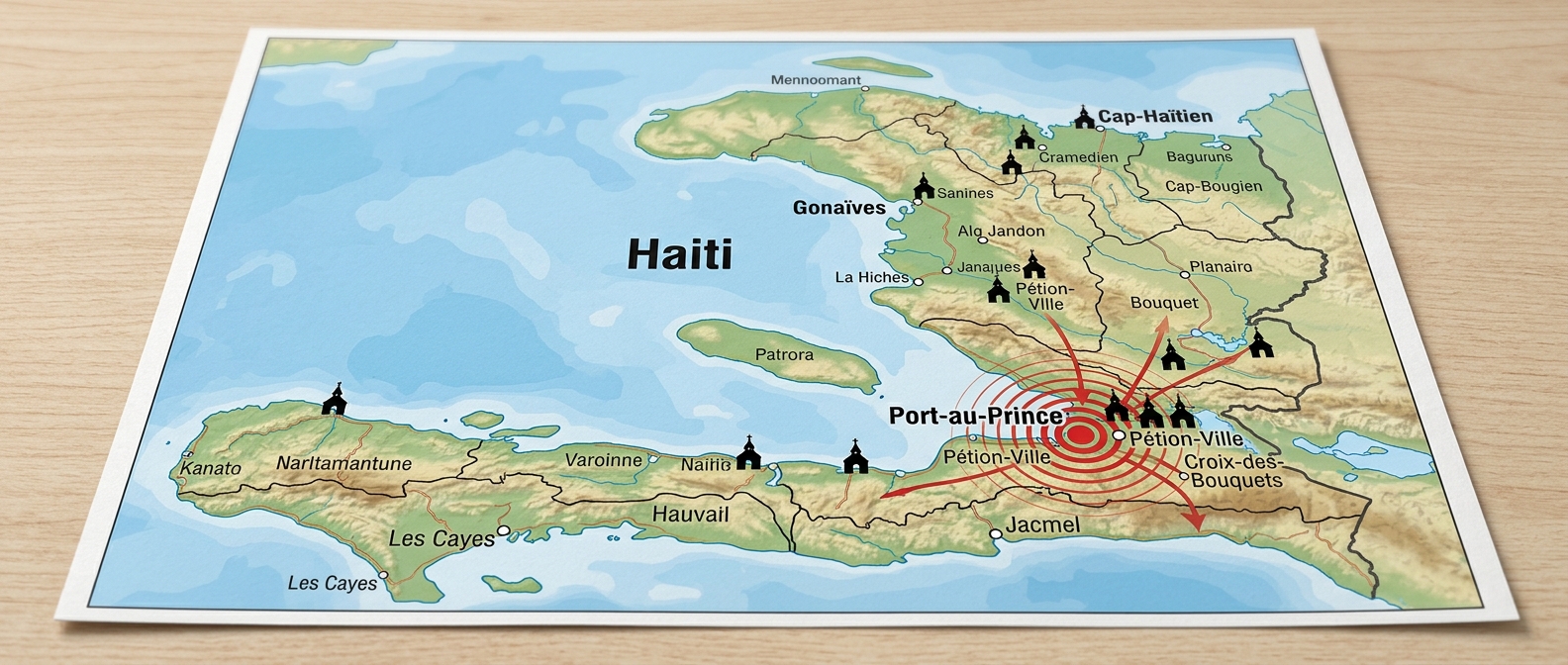
Haiti in Crisis: Gang Violence Spreads Beyond Port-au-Prince
Gangs are now targeting rural areas once considered safe havens

|
Welcome to HDP Haitian Community weekly news!
This week, we face hard truths about Haiti’s deepening security crisis and the diaspora pressures mounting in America—but we also celebrate the cultural excellence that defines our resilience as a people.
What’s in this issue:
- 🚨 Gang violence spreading from Port-au-Prince to rural Haiti—what the ruralization means for your family
- ✈️ Extended flight ban and TPS termination: How travel restrictions and deportation threats affect 353,000 Haitians
- 💔 A diaspora voice demands accountability: Why does the world allow Haiti to suffer?
- 🎵 Cultural triumph: Konpa en Symphony brings Haitian musical excellence to Quebec’s grandest stage
- 📊 The hard numbers behind Haiti’s humanitarian crisis and what international failure looks like
💡 Quote of the Day
“In Port-au-Prince, when violence decreases in one neighborhood, it increases elsewhere. Haiti is effectively at war—a crisis demanding urgent, sustained international intervention beyond empty rhetoric.”
— Le Monde Editorial Board, on Haiti’s escalating humanitarian emergency
📰 Latest News
🔗 From Port-au-Prince to the periphery: The ruralization of Haitian gang violence (15 minute read)
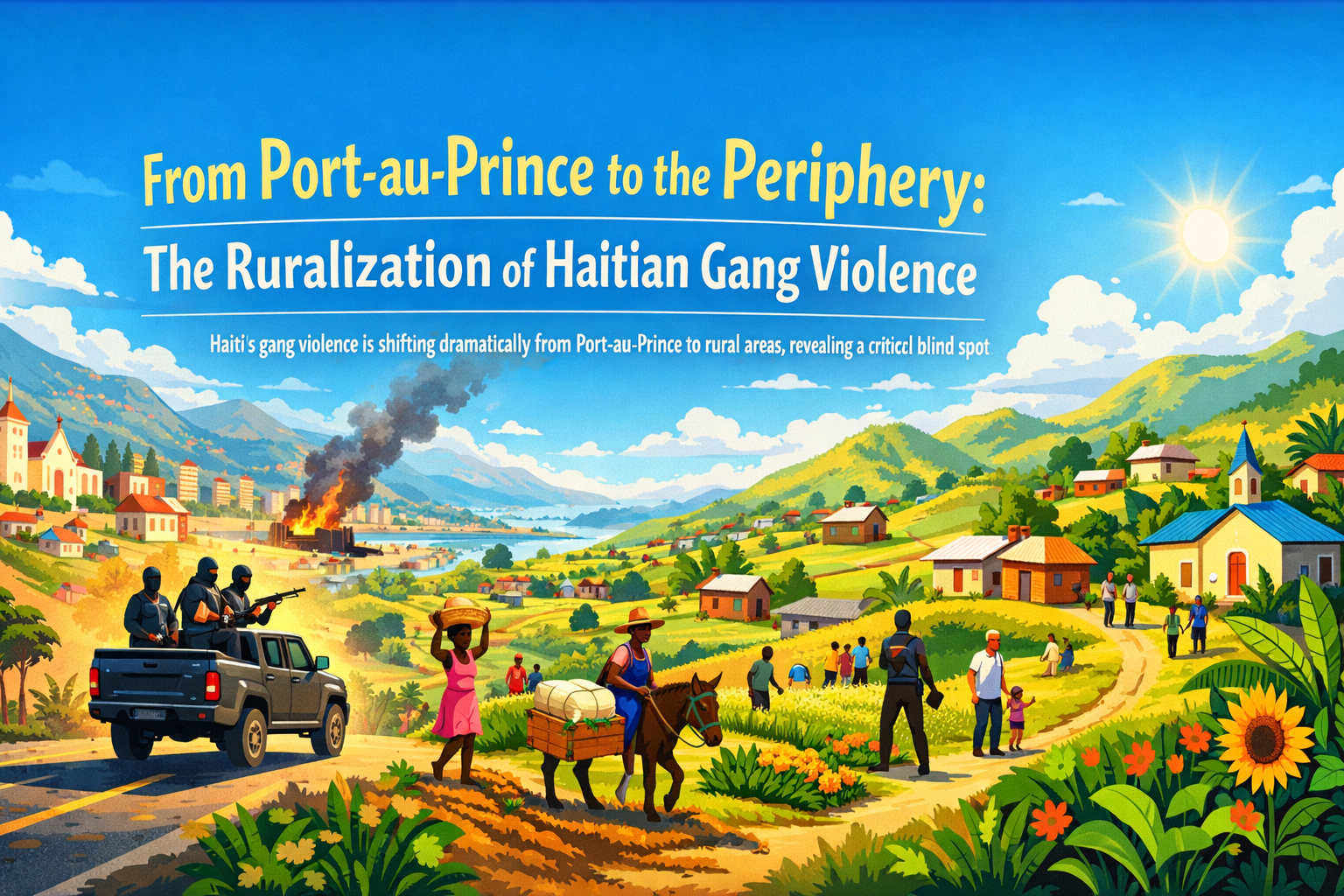
Haiti’s gang violence is no longer just a Port-au-Prince problem—it’s spreading into rural areas with devastating consequences for agricultural communities and families living outside the capital. The August 2026 Kenscoff massacre, which killed 47 people and triggered mass kidnappings, exemplifies a dangerous new trend that security forces are unprepared to address. Since the Viv Ansanm coalition formed in February 2024, gangs have adopted guerrilla tactics across mountainous regions and agricultural zones like Artibonite, where 456 people died in 2025 alone.
Key Points:
- Gangs have shifted from territorial control in Port-au-Prince to mobile guerrilla tactics in rural areas, enabling repeated strikes with minimal investment
- The Artibonite department alone saw 456 deaths in 2025 as violence spread to agricultural heartlands previously considered safer
- Security forces focused on urban centers lack the numbers, training, and equipment for dispersed rural operations, creating a critical policy blind spot
- Gangs now prioritize hostage-taking and mobility over holding territory, making traditional security responses ineffective
Why it matters: What the ruralization of gang violence means for your family in Haiti is this: relatives living outside Port-au-Prince in areas once considered safer are now increasingly vulnerable. Agricultural communities that feed the nation are under attack, threatening food security and making remittance delivery more dangerous. This shift explains why conditions continue deteriorating despite international intervention—security strategies remain focused on the capital while gangs operate with impunity in the countryside. Families with connections to Kenscoff, Artibonite, and other rural areas need to understand that the security crisis has fundamentally changed, requiring new approaches to safety and communication with loved ones back home.
🔗 Haitian Immigrants in the United States: TPS termination affects 353,000 (19 minute read)
The Trump administration’s termination of Temporary Protected Status has rendered approximately 353,000 Haitians deportation-eligible and stripped them of work authorization, creating an unprecedented legal crisis for the Haitian-American community. The Haitian immigrant population has surged to 859,000 as of 2024, with two-thirds concentrated in Florida and New York, predominantly employed in healthcare and service sectors. Haiti’s political instability, economic crises, and the devastating 2010 earthquake drove this migration wave, but recent policy shifts now threaten the legal foundation that allowed this community to build lives in America.
Key Points:
- 353,000 Haitians lost TPS protection and work authorization, making them immediately deportation-eligible with no legal pathway to remain
- The Haitian immigrant population reached 859,000 in 2024, up from 587,000 in 2010, with the majority having entered since the earthquake
- Two-thirds of Haitian immigrants live in Florida and New York, working predominantly in healthcare, food service, and transportation sectors
- The humanitarian parole program that allowed recent arrivals has been terminated, closing legal entry pathways while deportations intensify
Why it matters: What TPS termination means for 353,000 Haitian families in America is immediate and devastating—loss of work authorization means job loss, inability to renew driver’s licenses, and vulnerability to deportation at any moment. For healthcare workers, teachers, and service industry employees who have built lives here for over a decade, this policy shift eliminates legal stability overnight. Families must now navigate complex legal options including asylum applications, family-based petitions, or other relief forms while facing intensified political scrutiny. Community organizations are overwhelmed with requests for legal assistance, and the broader immigration debate has placed Haitian immigrants at the center of political controversy. Understanding your legal options and connecting with community resources has never been more urgent.
🔗 ‘In Port-au-Prince, when violence decreases in one neighborhood, it increases elsewhere’ (6 minute read)
Haiti faces a humanitarian crisis of staggering proportions that international powers continue to ignore with empty rhetoric rather than meaningful action. Over 3,000 people have died since early 2025, 12% of the population has been displaced, and mass rapes have become endemic as armed gangs dominate Port-au-Prince and the Artibonite department. While Haitian police show increased street presence with limited tactical successes, gangs simply relocate and regroup—violence doesn’t decrease, it just moves to different neighborhoods. Despite government statements and international condemnation following massacres like the recent Kenscoff attack that killed around 40 people, concrete action remains absent.
Key Points:
- Over 3,000 deaths since early 2025, with 12% of Haiti’s population now displaced and mass sexual violence systematized by gangs
- Armed gangs have dominated Haiti for 80 years but now control Port-au-Prince and Artibonite through unprecedented violence and territorial control
- Police presence shows limited success—when gangs are pushed from one neighborhood, they simply relocate and intensify operations elsewhere
- International community offers condemnation and statements but fails to provide sustained intervention Haiti desperately needs
Why it matters: The hard truth about Haiti’s security crisis is that international responses have been inadequate and your relatives remain in danger despite promises of intervention. When you hear about police successes in one Port-au-Prince neighborhood, understand that gangs are simultaneously intensifying operations in another area—the overall violence level doesn’t decrease. This explains why family members report continued danger even after hearing about security operations. Haiti is effectively at war, requiring urgent, sustained international intervention beyond the token forces currently deployed. For diaspora families, this means continuing to prioritize safety communications, understanding that no area of Port-au-Prince is consistently secure, and recognizing that conditions won’t improve without fundamental changes in international commitment.
🔥 Trending
-
US extends flight ban to Haiti through March 2027: The FAA extended its prohibition on flights to Port-au-Prince after ganmen fired on a Spirit Airlines flight, with gangs now controlling 70% of the capital—what this means for visiting family and travel alternatives
-
Diaspora voice demands accountability for Haiti’s suffering: Chantal M. Elie’s powerful commentary exposes how foreign powers deliberately destabilize Haiti while preventing migration, questioning why the world tolerates ongoing violence
-
Kenscoff massacre kills 47, triggers mass kidnappings: August 2026 attack exemplifies the dangerous spread of gang violence from urban Port-au-Prince to rural mountainous regions previously considered safer
⚡ Quick Hits
🎯 353,000 Haitians lose work authorization as TPS ends
The Trump administration’s termination of Temporary Protected Status has stripped 353,000 Haitians of legal work authorization and rendered them deportation-eligible, creating an unprecedented crisis for families who have built lives in America since the 2010 earthquake. Community organizations are overwhelmed with legal assistance requests as families scramble to find alternative pathways to remain in the country. (Read more)
🎯 Artibonite agricultural heartland sees 456 deaths in 2025
Haiti’s agricultural breadbasket has become a killing field as gangs adopt guerrilla tactics in rural areas, threatening food security and making life dangerous for farming communities that feed the nation. Security forces trained for urban operations lack the resources and strategy to address dispersed rural violence. (Read more)
🎯 Gangs control 70% of Port-au-Prince, FAA confirms
The U.S. Federal Aviation Administration’s extension of the flight ban through March 2027 acknowledges that armed gangs now control approximately 70% of Haiti’s capital and significant portions of central Haiti, making commercial aviation unsafe below 10,000 feet. (Read more)
🎯 12% of Haiti’s population now displaced by violence
Over 1.3 million Haitians have been forced from their homes as gang violence, mass rapes, and systematic killings make entire neighborhoods uninhabitable. The displacement crisis compounds humanitarian needs while international response remains inadequate to the scale of suffering. (Read more)
🎯 Viv Ansanm coalition transforms gang warfare tactics
Since forming in February 2024, the Viv Ansanm gang coalition has shifted from territorial control to mobile guerrilla operations, prioritizing hostage-taking and hit-and-run attacks that security forces struggle to counter. This tactical evolution explains why violence persists despite international intervention efforts. (Read more)
🎓 Industry Insight
Understanding Haiti’s Security Crisis: Why Traditional Interventions Keep Failing
Haiti’s current security crisis represents a fundamental shift that traditional intervention strategies have failed to address. When international forces and Haitian police focus resources on Port-au-Prince neighborhoods, gangs don’t surrender—they relocate to rural areas and adopt guerrilla tactics that require entirely different security responses. The Viv Ansanm coalition’s formation in February 2024 marked a strategic evolution from territorial control to mobile operations prioritizing hostage-taking and rapid strikes across dispersed locations.
This explains why your family members in Haiti continue reporting danger despite hearing about police operations and international intervention. Security forces trained and equipped for urban warfare lack the numbers, mobility, and intelligence networks needed for rural counterinsurgency. When gangs controlled specific Port-au-Prince neighborhoods, security forces could concentrate resources and achieve tactical victories. Now, with violence spreading across mountainous regions like Kenscoff and agricultural zones like Artibonite, the same approach fails because gangs operate with minimal investment in fixed positions.
For diaspora families, this means adjusting expectations about security improvements and understanding that meaningful progress requires integrated political, economic, and security strategies—not just tactical police operations. The ruralization of violence also affects remittance security, agricultural production, and communication with relatives outside Port-au-Prince. Staying informed about which specific areas face active gang operations, maintaining multiple communication channels with family, and understanding that “safe” areas can change rapidly has become essential for managing family safety concerns from abroad.
❓ Question of the Day
What is your biggest concern regarding the Haiti crisis right now?
- A) Safety of family members still in Haiti
- B) TPS termination and deportation threats
- C) Lack of meaningful international intervention
- D) Ability to send remittances and support family
👋 Wrap Up
This week’s newsletter confronts the hardest truths about Haiti’s deepening crisis—gang violence spreading to rural areas, TPS termination threatening 353,000 Haitian-Americans, and international failures that leave our people suffering without meaningful intervention. Over 3,000 deaths since early 2025, 12% of the population displaced, and gangs controlling 70% of Port-au-Prince represent a humanitarian emergency that demands more than rhetoric and empty promises.
Yet even in crisis, we celebrate our cultural excellence and resilience. Konpa en Symphony’s Quebec debut on September 20th reminds us that Haitian creativity, artistry, and heritage command the world’s most prestigious stages. While we fight for justice, safety, and dignity for our people in Haiti and the diaspora, we also honor the cultural brilliance that defines who we are. Stay informed, stay connected to your families, and stay proud of our heritage.
Kenbe fèm,
HDP Haitian Community weekly news Editor
📊 How did you like today’s email?
Enjoyed this issue?
Subscribe to get HDP Haitian Community weekly news delivered to your inbox every week.
Join 30 other subscribers • Free forever