
Haitian Faith & Fears: Community at a Crossroads
Elections delayed, soldiers missing, yet 50 years of resilience endures
|
Welcome to HDP Haitian Community weekly news!
This week brings urgent developments from Haiti and our diaspora communities—from a hostage crisis that postponed elections to faith milestones amid deportation fears. We’re tracking what matters most to families navigating dual pressures at home and abroad.
What’s in this issue:
- 🚨 Breaking: Salvadoran soldiers missing as Haiti’s gang crisis deepens and elections postponed indefinitely
- 🏛️ Security briefing: How gang expansion affects Port-au-Prince neighborhoods and what it means for relatives at home
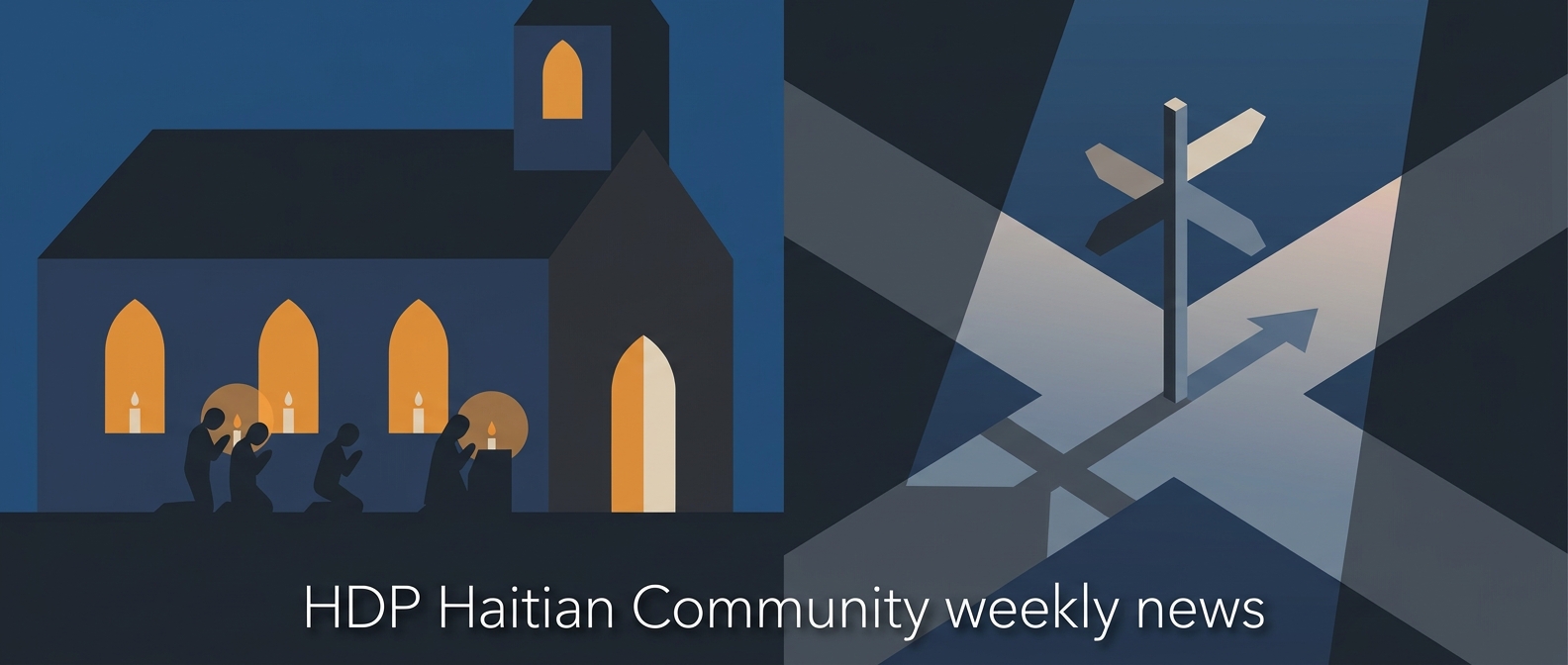
- ⛪ Philadelphia’s Haitian Catholic community celebrates 50 years while facing unprecedented deportation threats
- 🎨 Little Haiti’s cultural resistance: New artist collective opens as gentrification and TPS loss threaten community survival
- 📰 Why AI threatens Caribbean journalism and the reliable Haiti news sources diaspora depends on
💡 Quote of the Day
“We are in a race against time to ensure that Little Haiti remains visibly and culturally Haitian.”
— Joann Milord, CEO, Little Haiti Revitalization Trust
📰 Latest News
🔗 Missing Salvadoran soldiers, postponed elections cast a darker gang pall over Haiti (6 minute read)
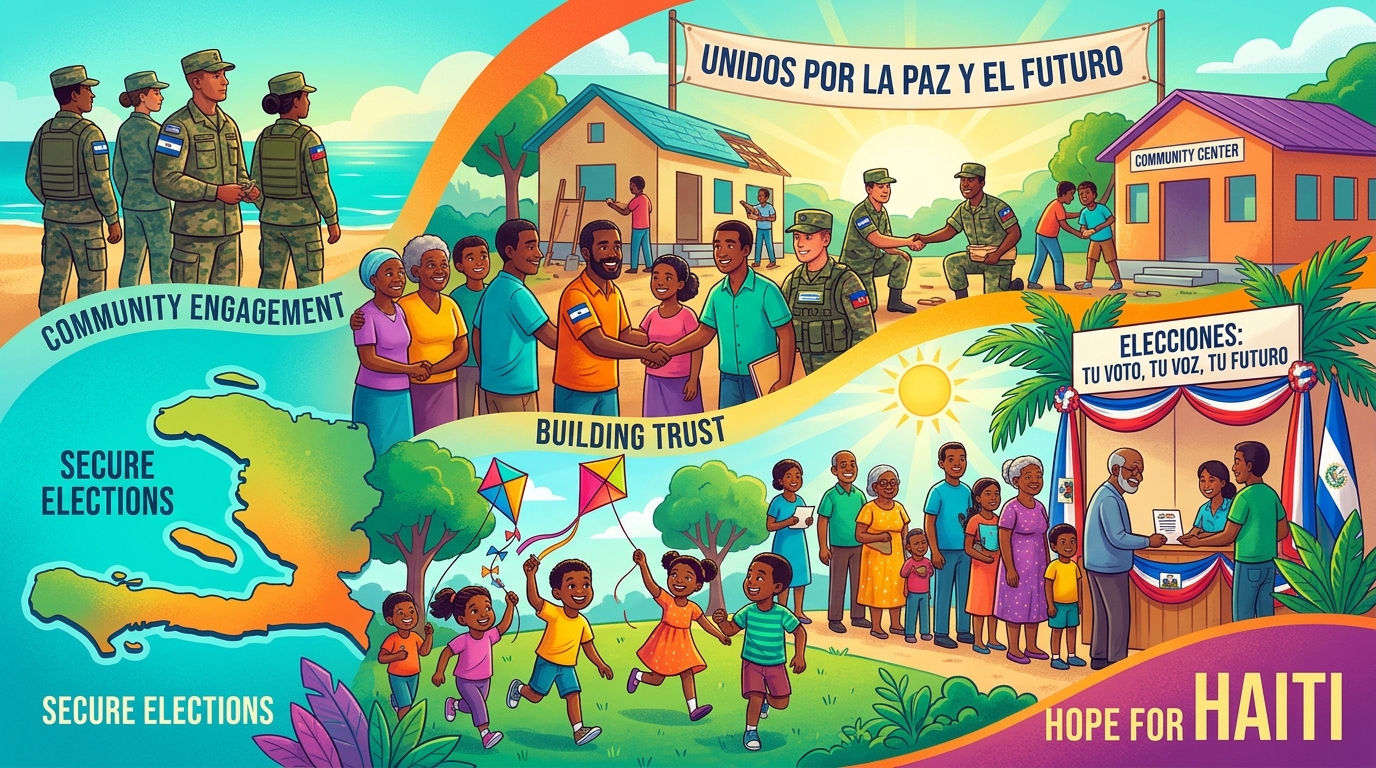
Haiti’s security crisis escalated dramatically this week when four Salvadoran soldiers deployed with the U.N.-backed Gang Suppression Force were ambushed and apparently abducted. The attack demonstrates gangs’ growing sophistication and their ability to adapt tactics despite intensifying international security operations. With over 4,000 deaths recorded this year alone, Haiti’s interim government has indefinitely postponed December elections—which would have been the first since 2016.
Key Points:
- Only 800,000 of 6.5 million eligible voters have registered due to gang-controlled infrastructure making registration impossible in many areas
- Election experts now predict voting won’t occur until late 2027 at the earliest
- Hundreds of thousands of Haitian deportees face dangerous conditions upon return, raising urgent human rights concerns about U.S. deportation policies
Why it matters: This breaking development affects diaspora families on multiple fronts—relatives at home face worsening security with even international forces under attack, democratic hopes are pushed back another year, and deportees are being sent into conditions that threaten their lives. The voter registration collapse (only 12% of eligible citizens registered) shows how thoroughly gangs have disrupted basic civic infrastructure across Port-au-Prince and beyond.
🔗 Haiti’s Security Crisis: Comprehensive Analysis (20 minute read)
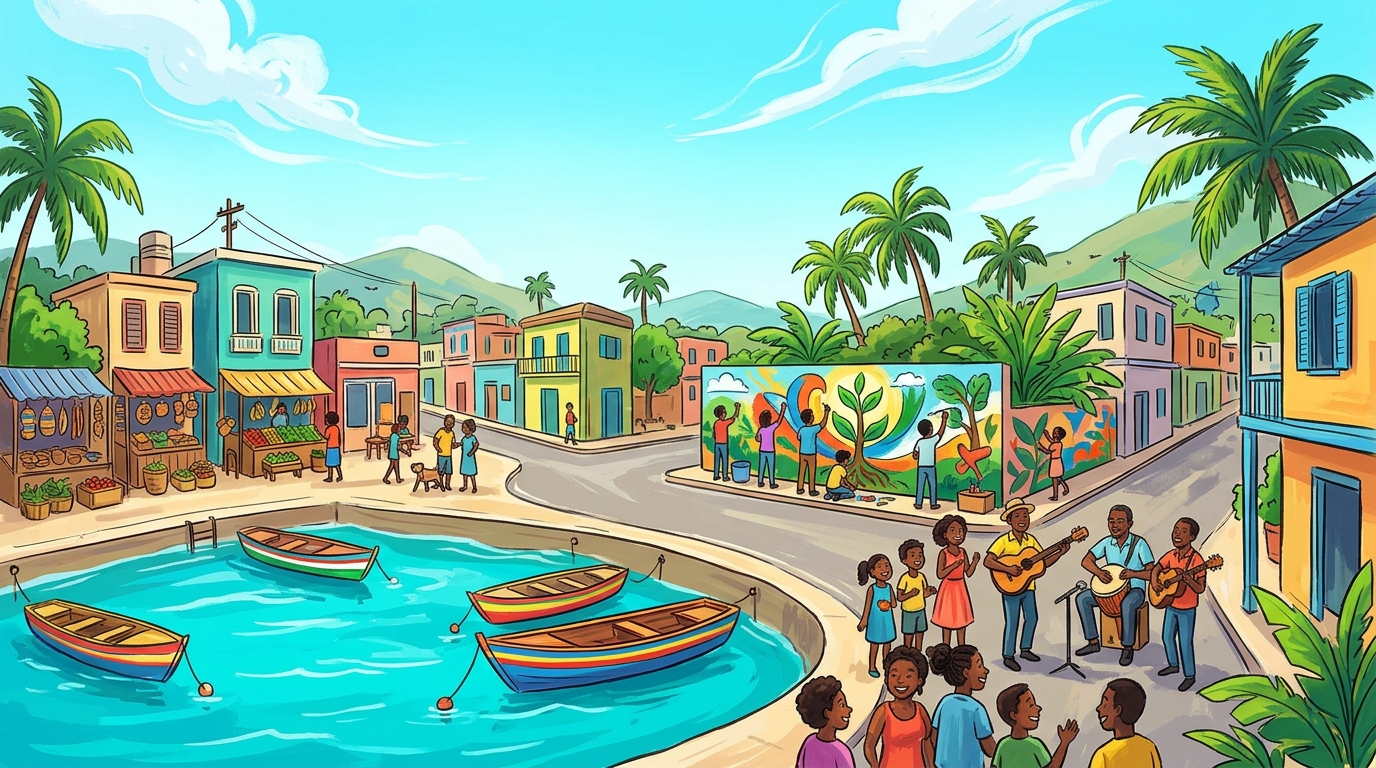
Haiti’s criminal landscape has spiraled dramatically since President Jovenel Moïse’s 2021 assassination, with gangs now controlling most of Port-au-Prince and expanding operations nationwide. A UN report documents 5,700 people killed or wounded between January and September 2026 alone. Gang activity has forced indefinite election postponements and displaced nearly 1.5 million Haitians—creating the hemisphere’s fastest-growing humanitarian crisis.
Key Points:
- Gangs have evolved from localized street operations to sophisticated criminal networks controlling neighborhoods, ports, and major transportation routes
- Haiti’s geography—porous borders with the Dominican Republic, proximity to the U.S., and strategic Caribbean location—makes it ideal for drug trafficking and human smuggling operations
- Security forces remain overwhelmed despite international support, struggling against well-armed criminal organizations with better equipment and local knowledge
Why it matters: This comprehensive analysis provides essential context for diaspora families trying to understand safety conditions for relatives at home and risks facing deportees. The 1.5 million displacement figure means nearly one in seven Haitians has fled their home due to violence—likely affecting extended family networks across the diaspora. Understanding which Port-au-Prince neighborhoods remain under gang control helps families make informed decisions about remittances, communication, and travel safety.
🔗 Haitian Catholics in Philly mark 50 years of faith, despite immigration crackdown (10 minute read)

Philadelphia’s Haitian Catholic community celebrated 50 years of faith and resilience with a Mass attended by 350 people at St. William Parish. Founded in 1976 at a family home, the community has grown into two parish branches serving the archdiocese. The celebration honored Our Lady of Perpetual Help, Haiti’s patroness, while members face unprecedented challenges from Trump administration deportation efforts targeting over 330,000 Haitians with Temporary Protected Status.
Key Points:
- The Philadelphia Haitian Catholic community began in 1976 and has grown to serve thousands across two parishes over five decades
- Despite gang violence, political instability, and a State Department “do not travel” advisory for Haiti, the community remains steadfast in faith
- Youth members are positioned to carry forward the spiritual legacy even as families face deportation threats
Why it matters: This milestone celebration contrasts 50 years of successful diaspora community building with current threats to dismantle it through mass deportations. The 330,000+ Haitians with TPS represent families who have built lives, raised children, and established deep community roots in the U.S.—sending them back to a country under “do not travel” advisory raises profound moral and safety questions. The story shows how faith communities provide resilience and continuity amid both homeland instability and host-country hostility.
🔥 Trending
-
Tanbou Collective Opens in Little Haiti: New 900-square-foot cultural boutique operated by 20 Haitian artists showcases handmade garments, paintings, and artisanal beverages—filling the void left by Caribbean Marketplace’s renovation closure
-
Little Haiti’s 10-Year Anniversary: Neighborhood celebrates decade of official recognition while facing existential threat from gentrification, with housing prices surging four times faster than Miami-Dade averages
-
Caribbean Journalism and AI Challenges: Regional newsrooms face critical crossroads as AI promises efficiency but threatens job losses, eroded trust, and dilution of Caribbean journalism’s distinctive voice
⚡ Quick Hits
🎯 Little Haiti Artists Fight Economic Hardship Through Culture
Amid economic hardship following TPS elimination, Tanbou Collective curator Sandy Dorsainvil emphasizes that creative communities preserve cultural identity. Despite deportation fears and reduced foot traffic, vendors like Francoise Penha of Spiced Hut Beverages remain committed to educating customers about Haitian culture. (Read more)
🎯 Gentrification Threatens Little Haiti’s Haitian Identity
Despite the Little Haiti Revitalization Trust’s efforts to preserve Haitian culture through affordable housing and business support, Haitian-owned businesses continue closing at alarming rates. Climate gentrification and post-COVID inflation have accelerated displacement pressures. (Read more)
🎯 Caribbean Newsrooms Risk Losing Authentic Voice to AI
While artificial intelligence offers faster, cheaper content production for under-resourced publishers, Caribbean Broadcasting Corporation and Media Institute warn of severe consequences including misinformation spread and weakened financial sustainability. The region must establish guardrails to protect editorial independence. (Read more)
🎯 October 21, 2010: Haiti’s Cholera Crisis Began
Sixteen years ago today, Haiti confirmed its first cholera outbreak in over a century, emerging less than a year after the catastrophic January earthquake. Investigators traced the outbreak to contaminated sewage from UN peacekeepers that leaked into the Artibonite River—exposing infrastructure weaknesses that remain relevant to today’s humanitarian crisis. (Read more)
🎓 Industry Insight
Understanding Haiti’s Voter Registration Crisis
The collapse of Haiti’s voter registration—only 800,000 of 6.5 million eligible citizens registered—represents more than delayed elections. It’s a measure of how thoroughly gangs have disrupted basic civic infrastructure across the country.
Voter registration requires citizens to travel to registration centers, often crossing gang-controlled territories. Many registration facilities in Port-au-Prince neighborhoods have been destroyed, occupied by armed groups, or rendered inaccessible due to violence. For the 1.5 million internally displaced Haitians, registering means returning to home districts they fled—an impossible and dangerous journey.
This civic infrastructure collapse has profound implications for diaspora families. It means relatives at home cannot participate in choosing their government, remittance-dependent communities have no democratic voice in economic policies, and the path to legitimate governance grows longer. When election experts predict voting won’t occur until late 2027, they’re acknowledging that restoring basic security and civic function will take years, not months. For families considering return migration or supporting relatives at home, understanding this timeline is essential for realistic planning.
❓ Question of the Day
What is your primary concern about current conditions in Haiti?
- A) Safety of family members still in Haiti
- B) U.S. deportation policies sending people to danger
- C) Preserving Haitian culture in diaspora communities
- D) Lack of democratic governance and elections
👋 Wrap Up
This week’s news reflects the dual pressures facing our community—homeland instability that threatens relatives and delays democratic progress, and host-country policies that threaten diaspora families who have built lives over decades. From the Salvadoran soldiers’ abduction to Philadelphia’s 50-year faith milestone amid deportation fears, these stories show communities maintaining resilience despite extraordinary challenges.
As we move forward, stay informed through verified sources, support cultural preservation efforts like Tanbou Collective, and advocate against unsafe deportations. Whether your family is navigating gang-controlled Port-au-Prince or gentrification pressures in Little Haiti, understanding these interconnected challenges helps us respond with both urgency and wisdom.
In solidarity,
HDP Haitian Community weekly news Editor
📊 How did you like today’s email?
Enjoyed this issue?
Subscribe to get HDP Haitian Community weekly news delivered to your inbox every week.
Join 30 other subscribers • Free forever