
Martelly's Return: Haiti at a Crossroads
Political upheaval meets humanitarian emergency—what happens next?

|
Welcome to HDP Haitian Community weekly news!
This week, we face critical challenges together—from TPS ending to gang violence reaching new communities—while celebrating the resilience of our heritage and the voices calling for accountability. Your family’s safety, Haiti’s future, and our cultural strength are all connected in these stories.
What’s in this issue:
- 🚨 TPS Crisis: What the Supreme Court decision means for 350,000 Haitian families facing deportation
- 🔒 Security Alert: Gang violence expands to Kenscoff, threatening food supply and displacing thousands
- ⚖️ Political Watch: Former President Martelly returns amid Moïse assassination investigation
- 📚 Cultural Pride: Dany Laferrière inspires Haiti’s young writers with message of authentic storytelling
💡 Quote of the Day
“The Haitians I met at the border embody the resourcefulness and hope that strengthen America. They fled violence, navigated continents, and endured discrimination to reach safety. Sending them back to Haiti’s dangerous conditions is unconscionable.”
— Will McCorkle, Immigration Advocate
📰 Latest News
🔗 TPS Ending: What 350,000 Haitian Families Face After Supreme Court Decision (3 minute read)
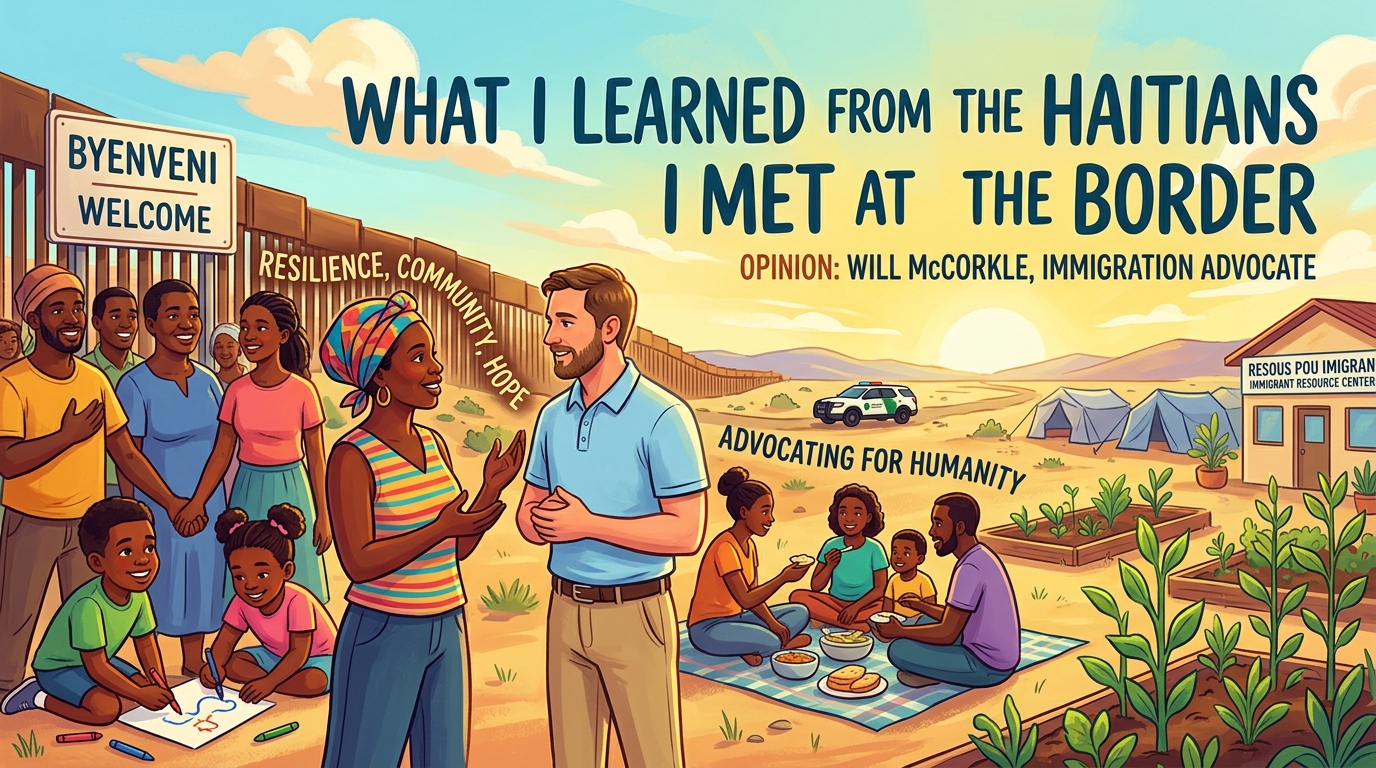
The Supreme Court has allowed President Trump to end Temporary Protected Status (TPS) for nearly 350,000 Haitians, threatening families who have built lives in America after fleeing violence and crime. Immigration advocate Will McCorkle, who worked directly with Haitian asylum seekers at the U.S.-Mexican border, shares powerful firsthand accounts of the extraordinary resilience these families demonstrated—navigating through South America, enduring discrimination, and overcoming impossible odds to reach safety.
Key Points:
- 350,000 Haitians with TPS now face deportation to a country where gang violence and humanitarian crisis have worsened dramatically
- Haitian migrants McCorkle encountered had fled through multiple countries, showing remarkable resourcefulness and determination to protect their families
- McCorkle argues the decision is driven by racial animus, citing Trump’s inflammatory rhetoric about Haitian immigrants
- Haiti’s current conditions—with 6.4 million needing aid and gang violence expanding—make deportation unconscionable and dangerous
Why it matters: This decision directly threatens the largest portion of Haiti’s diaspora community in the United States. For families who have established homes, jobs, and stability over years of protected status, deportation means returning to a country experiencing its worst security and humanitarian crisis in decades. The timing couldn’t be worse—as gang violence expands beyond Port-au-Prince and basic services collapse, deportees face immediate danger upon return. Every Haitian family in America needs to understand their options and prepare for what comes next.
🔗 Gang Violence Reaches Kenscoff: 61 Dead, Food Supply Threatened (6 minute read)
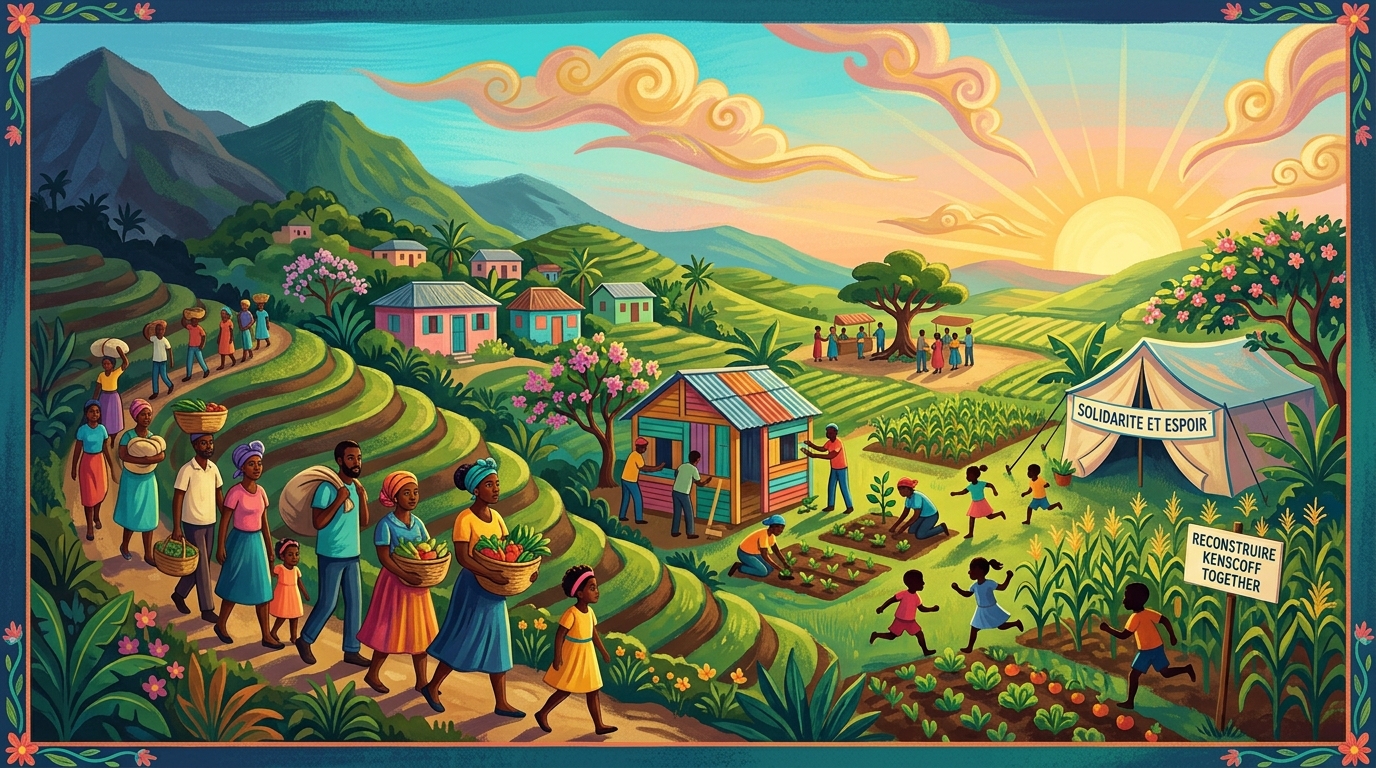
Haiti’s humanitarian crisis has taken a devastating turn as armed gangs expand their violence beyond Port-au-Prince into agricultural heartlands. Recent attacks on Kenscoff—a farming community of 65,000 people crucial to the capital’s food supply—killed 61 people including 14 children and displaced nearly 6,000 residents in just five days. The town has faced sporadic assaults since January 2025, but the latest wave represents a dangerous escalation that threatens both family safety and the nation’s ability to feed itself.
Key Points:
- 61 people killed in recent Kenscoff attacks, including 14 children, with nearly 6,000 residents displaced in five days
- Kenscoff is critical to Port-au-Prince’s food supply, making attacks on farming communities a direct threat to the capital’s survival
- 6.4 million Haitians now need humanitarian aid, with 5.8 million facing acute food insecurity
- Experts warn that hunger fuels gang recruitment, creating a vicious cycle where violence disrupts farming, which creates more hunger, which drives more people into armed groups
Why it matters: The expansion of gang violence into agricultural communities like Kenscoff represents a qualitative change in Haiti’s crisis. This isn’t just about controlling urban territory—it’s about controlling food supply and making entire regions uninhabitable. For diaspora families, this means your relatives in areas once considered “safer” than Port-au-Prince now face direct threats. For deportees, it means returning to a country where even farming communities offer no refuge. The violence is no longer contained, and the humanitarian catastrophe is accelerating in ways that affect every Haitian’s ability to survive.
🔗 Michel Martelly Returns to Haiti Amid Moïse Assassination Investigation (8 minute read)
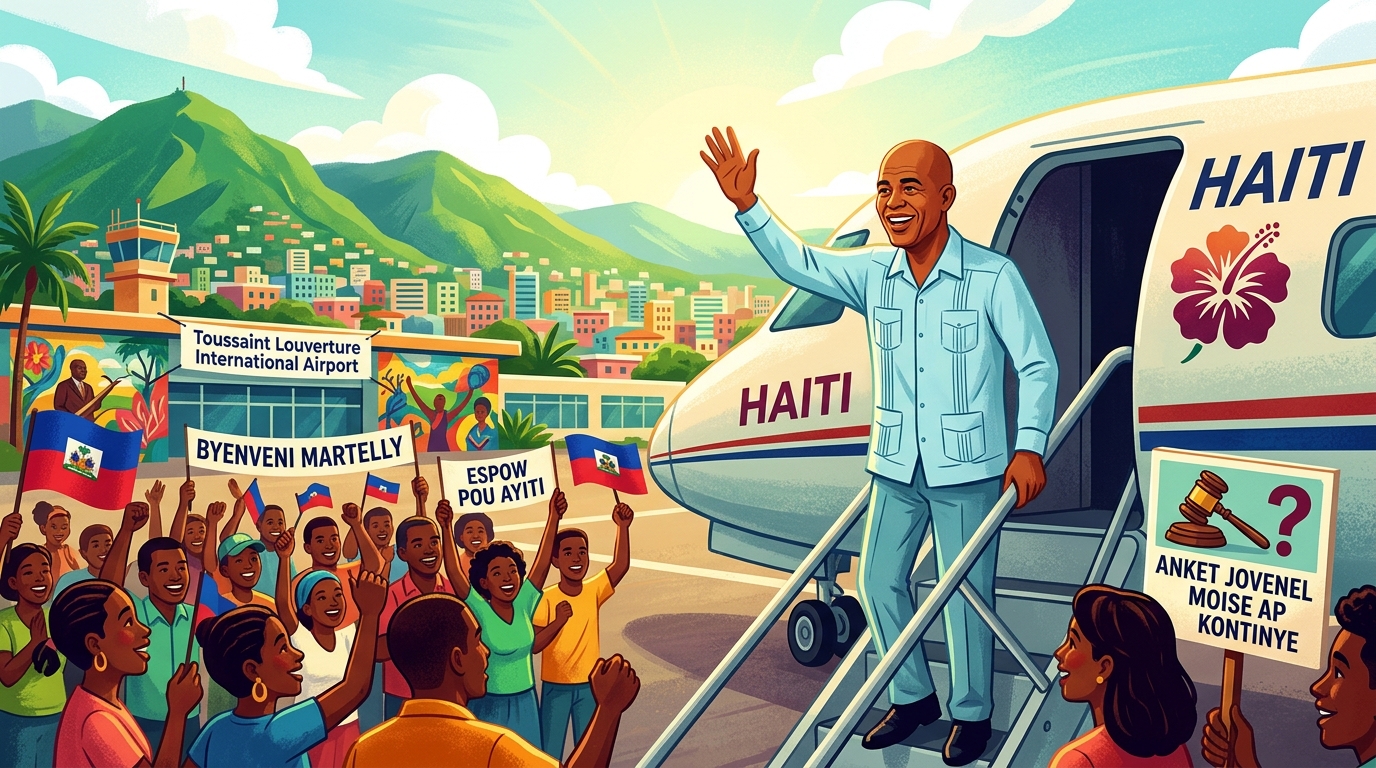
Former Haitian President Michel Martelly has returned to Port-au-Prince after living in Miami, arriving Wednesday amid an ongoing investigation into President Jovenel Moïse’s 2021 assassination. Martelly, who served from 2011-2016 and personally selected Moïse as his successor, was summoned to testify but hasn’t been charged with any crime. Political observers suggest his visit may signal interest in returning to office, though he faces significant obstacles including U.S., Canadian, and EU sanctions over alleged drug trafficking, gang ties, and corruption.
Key Points:
- Martelly returned from Miami to testify in the Moïse assassination investigation, though he hasn’t been charged
- He served as president 2011-2016 and chose Jovenel Moïse as his successor, making his testimony potentially crucial
- Martelly faces sanctions from the U.S., Canada, and EU over alleged drug trafficking, gang connections, and corruption
- His political party isn’t currently authorized to participate in upcoming elections, but his return suggests possible political ambitions
- Haiti remains in severe political turmoil with no elected officials and gang violence escalating
Why it matters: Martelly’s return is a test of Haiti’s ability to hold powerful figures accountable. As the leader who selected Moïse and oversaw the political arrangements that led to the current crisis, his testimony could reveal critical information about the assassination and the network of corruption that enabled it. But his return also raises troubling questions: Will a man facing international sanctions for alleged gang ties face real justice? Or will this become another example of Haiti’s elite operating above the law? For diaspora Haitians watching from abroad, this moment reveals whether Haiti’s institutions can deliver accountability—or whether the same corrupt networks will continue controlling the country’s future.
🔥 Trending
-
Kenscoff Security Crisis: Armed gangs expanding beyond Port-au-Prince into agricultural communities, with 61 killed including 14 children in recent attacks on this critical farming town
-
TPS Termination Impact: Supreme Court allows ending of Temporary Protected Status for 350,000 Haitians, with deportations beginning to a country experiencing unprecedented violence and humanitarian crisis
-
Martelly Political Return: Former president returns from Miami to testify in Moïse assassination investigation while facing U.S., Canadian, and EU sanctions over alleged corruption and gang ties
-
Food Security Collapse: Violence in Kenscoff threatens Port-au-Prince’s food supply as 5.8 million Haitians face acute food insecurity and agricultural communities become gang targets
⚡ Quick Hits
🎯 Haitian Literary Icon Returns Home to Inspire Young Writers
Dany Laferrière, renowned Haitian author and member of the prestigious Académie française, returned to Haiti this week for his first official visit since 2019, captivating students at the State University of Haiti. He urged young writers to embrace honesty, trust their authentic voices, and draw inspiration from everyday Haitian life—sharing how his childhood memories in Petit-Goâve shaped his acclaimed work. (Read more)
🎯 Displacement Crisis Accelerates in Kenscoff Region
Nearly 6,000 residents have been displaced from Kenscoff in just five days following gang attacks that killed 61 people. The farming community of 65,000 has faced sporadic violence since January 2025, but recent escalation marks a dangerous expansion of gang control into areas previously considered safer than Port-au-Prince. (Read more)
🎯 Moïse Assassination Investigation Continues Four Years Later
The investigation into President Jovenel Moïse’s 2021 assassination continues with former President Michel Martelly summoned to testify. Martelly, who selected Moïse as his successor and served 2011-2016, has not been charged but faces international sanctions over alleged corruption, drug trafficking, and gang connections. (Read more)
🎯 Hunger Fueling Gang Recruitment Cycle
Experts warn that acute food insecurity affecting 5.8 million Haitians is creating a vicious cycle where hunger drives desperate people into armed groups. As gang violence disrupts farming in communities like Kenscoff, food production collapses, creating more hunger and more recruits—threatening Haiti’s long-term stability. (Read more)
🎓 Industry Insight
Protecting Your Family: What Haitian Diaspora Families Need to Know Right Now
The combination of TPS ending and Haiti’s worsening security situation creates an unprecedented crisis for Haitian families in America. If you or your relatives hold TPS, understand that deportation proceedings may begin soon, and the Haiti you left—or heard about from family—is dramatically more dangerous today. With 6.4 million Haitians needing humanitarian aid and gang violence expanding beyond Port-au-Prince into once-safe agricultural areas, returning is not just difficult—it’s life-threatening.
Start by documenting everything: your continuous presence in the U.S., your employment history, your community ties, and especially any family members (particularly children) who are U.S. citizens or permanent residents. Consult with immigration attorneys immediately—many offer free consultations for TPS holders, and community organizations are mobilizing resources. Don’t wait to “see what happens”—preparation now could mean the difference between having options and having none.
For those with family still in Haiti, the reality is equally urgent. The expansion of gang violence into Kenscoff and other areas means nowhere is truly safe anymore. If relatives are in affected regions, help them develop emergency plans: safe houses, communication protocols, and evacuation routes. Send remittances strategically—cash in hand can mean survival, but large transfers can make family members targets. Most importantly, stay connected: regular communication helps you monitor their safety and respond quickly when threats emerge. This is a moment that demands both immediate action and long-term planning—for families in America facing deportation and families in Haiti facing violence, the decisions you make in coming weeks will shape your family’s future for years to come.
❓ Question of the Day
What is your biggest concern about Haiti’s current situation?
- A) TPS ending and deportation threats
- B) Gang violence expanding to new areas
- C) Political accountability and corruption
- D) Food security and humanitarian crisis
👋 Wrap Up
This week’s news confronts us with the hardest realities our community faces: families in America threatened with deportation to a country where violence has reached unprecedented levels, agricultural communities under siege, and political leaders returning home while questions of accountability remain unanswered. These aren’t just headlines—they’re the lived experiences of our brothers, sisters, parents, and children.
Yet even in crisis, we see who we are: Haitian families who have survived impossible journeys, young writers learning from literary masters like Dany Laferrière, and communities refusing to let violence define Haiti’s future. Our resilience isn’t just about surviving—it’s about preserving our heritage, protecting our families, and demanding the accountability that Haiti deserves. Stay informed, stay connected, and take action where you can. We face these challenges together.
Kenbe fem,
HDP Haitian Community weekly news Editor
📊 How did you like today’s email?
Enjoyed this issue?
Subscribe to get HDP Haitian Community weekly news delivered to your inbox every week.
Join 30 other subscribers • Free forever