
TPS Expired: What's Next for Haitian Families?
DeWine speaks out as NC families face deportation fears and legal limbo


|
Welcome to HDP Haitian Community weekly news!
This week, our diaspora faces its greatest challenge in decades as TPS protections expire for over 300,000 Haitians. But across Ohio, North Carolina, and communities nationwide, we’re witnessing something powerful: our people refusing to face this crisis alone, organizing, mobilizing, and demanding the world recognize what we’ve built here.
What’s in this issue:
- 🚨 TPS Termination: 300,000+ Haitians Lose Protection as ICE Operations Loom
- 💪 How Haitian Communities Are Fighting Back with Legal Resources and Organizing
- 💼 The Economic Reality: Why Even Republican Governors Oppose Deportations
- 🎨 Cultural Reclamation: New Documentary Exposes Hollywood’s Distortion of Haitian Vodou
- 🌍 Diaspora Business Network Expands to Six Countries Despite Crisis
💡 Quote of the Day
“We’re sending people back to hell. Haiti is a mess. It’s a dangerous place. The State Department says don’t go there. And we’re going to send people back there?”
— Governor Mike DeWine, Republican Governor of Ohio, on deportation plans
📰 Latest News
🔗 Report from Springfield, Ohio: Haitians Brace for ICE Crackdown After TPS Protections End (9 minute read)
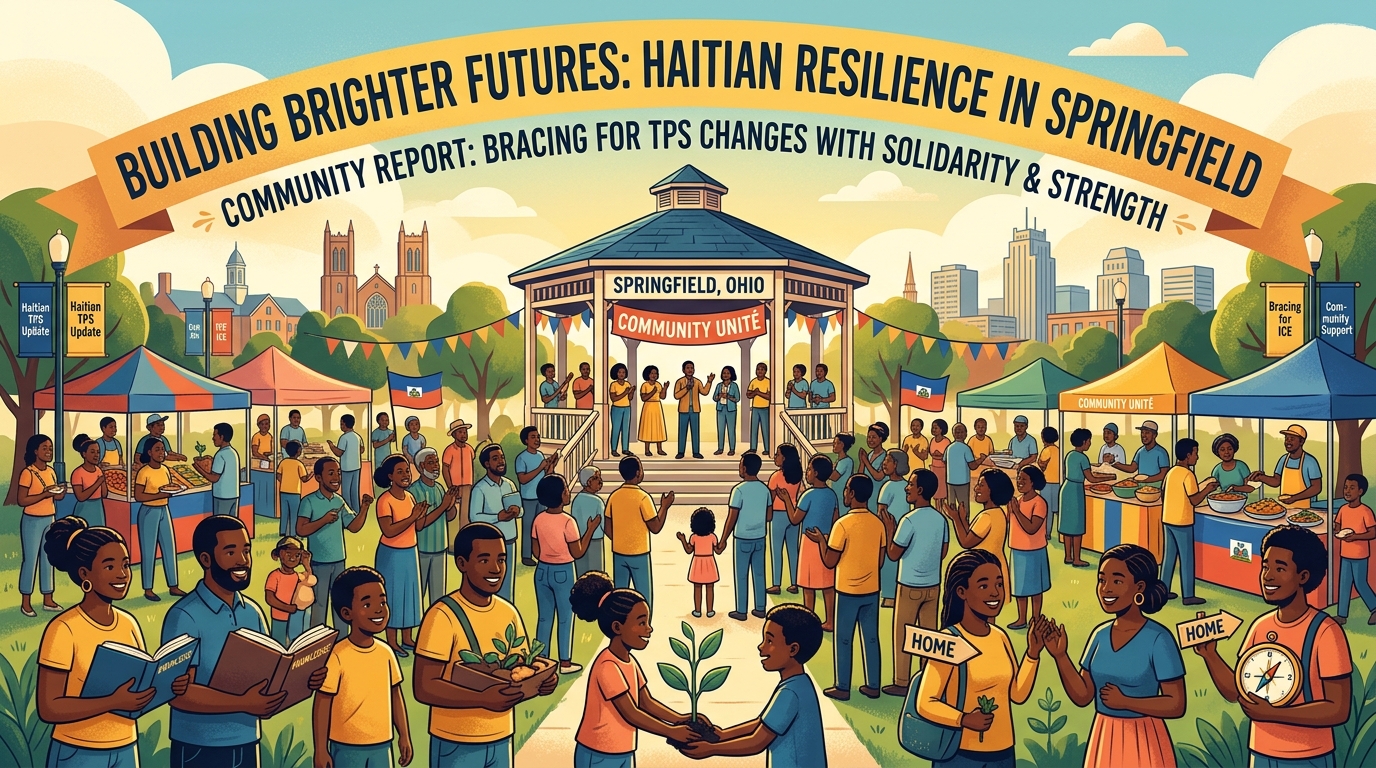
Over 300,000 Haitians have lost Temporary Protected Status after the Supreme Court sided with the Trump administration to end the program. Internal government documents indicate ICE deportation operations could begin this week, with Springfield, Ohio identified as a potential focus area. Vilès Dorsainvil, executive director of the Haitian Support Center in Springfield, describes widespread terror gripping the community as families face impossible choices.
Key Points:
- Internal ICE documents reveal deportation operations may target Springfield and other Haitian communities as early as this week
- The U.S. State Department warns American citizens against traveling to Haiti due to violence—yet plans to deport Haitians there
- Ohio’s Republican Governor Mike DeWine publicly called the deportation plans a “mistake,” citing Haitians’ vital contributions to Springfield’s economic recovery
- TPS holders who’ve lived legally in the U.S. for up to 16 years now face return to a country where gang violence controls most of Port-au-Prince
Why it matters: This is the most comprehensive national reporting on what happens next for our community. The contradiction is stark and cruel: the same government warning its own citizens not to visit Haiti plans to forcibly deport hundreds of thousands of Haitians there. With ICE operations potentially beginning this week, every diaspora family needs to understand their rights, connect with legal resources, and know they’re not facing this alone. The fact that even a Republican governor recognizes the economic and moral catastrophe of these deportations shows the strength of what our community has built.
🔗 With TPS now expired, DeWine and advocates for immigrants await fate of Haitians in Ohio (6 minute read)

Approximately 30,000 Haitians in central Ohio—including 12,000-15,000 in Springfield alone—lost their work permits on July 28, 2026. While Governor DeWine reports federal officials claim no immediate ICE raids are planned, immigrant advocates warn deportations are inevitable. Religious leaders like Carl Ruby describe families facing impossible choices: stay and lose their livelihoods, or leave U.S.-citizen children behind.
Key Points:
- 30,000 Haitians in central Ohio now lack work authorization, creating immediate economic crisis for families and employers
- Both Governor DeWine and immigrant advocates emphasize Haitian workers fill critical labor gaps and contribute significantly through spending and taxes
- Families with U.S.-born children face the cruelest choice: family separation or taking American children to a violence-plagued Haiti
- Despite assurances of no immediate raids, the legal framework for deportations is now in place
Why it matters: Ohio’s numbers tell the story of what’s happening nationwide—tens of thousands of workers who’ve been legally employed, paying taxes, and rebuilding communities suddenly stripped of their ability to work and support their families. The bipartisan recognition of Haitian contributions (from a Republican governor, no less) demonstrates what we already know: our community isn’t a burden, we’re an economic engine. But recognition doesn’t stop deportations. Families need to connect with legal advocates now, understand their options, and prepare for multiple scenarios.
🔗 Trump ends Haiti TPS, putting some NC immigrants at risk of deportation (7 minute read)
North Carolina’s estimated 13,000-person Haitian community faces deportation to a Haiti plagued by gang violence, economic collapse, and instability following the 2021 presidential assassination. The National TPS Alliance calls this one of history’s “largest mass de-documentations.” Local Haitian immigrants who’ve relied on TPS to support families through remittances now avoid community events out of deportation fear.
Key Points:
- 13,000 Haitians in North Carolina join 330,000 nationwide losing TPS protection
- The Supreme Court ruled federal courts cannot review the administration’s TPS termination, though constitutional claims may still be reviewable
- Community members who’ve sent remittances to support relatives in Haiti for years now fear attending public gatherings
- Haiti’s current crisis—gang control, economic collapse, political instability—makes deportation particularly dangerous
Why it matters: The fear is real and it’s changing how our community lives. When people stop attending church, community events, and cultural gatherings because they’re afraid of being detained, we lose the very social fabric that’s sustained us through previous crises. But North Carolina’s story also shows how communities are responding: organizations are mobilizing, connecting people with legal resources, and refusing to let fear paralyze action. The remittance angle is crucial too—these aren’t just deportations of individuals, but disruption of the financial lifelines supporting families back home during Haiti’s worst crisis in decades.
🔥 Trending
-
Republican Ohio governor says Trump’s plans to deport Haitians a ‘mistake’: Governor Mike DeWine’s public criticism of deportation plans highlights Haitian contributions: $5.9 billion annually to the U.S. economy, $1.5 billion in taxes, and critical roles filling labor gaps in communities like Springfield where they’ve opened businesses and rehabilitated homes.
-
Haitian community in NC anxious and uncertain as immigration status is threatened: Grassroots organizing provides hope as Haitians of the Triangle mobilizes to connect community members with legal resources and professionals, showing how local organizations are creating support networks during the crisis.
-
Criminal Violence in Haiti | Global Conflict Tracker: Essential context for understanding why deportation is so dangerous: approximately 200 gangs control Port-au-Prince, over 4 million face food insecurity, and a cholera outbreak compounds the humanitarian crisis.
-
Federation of Haitian Chambers of Commerce expands network across six countries: Positive counternarrative as the FHCC reaches 14 member chambers across six countries representing over 3,000 businesses, demonstrating Haitian entrepreneurial resilience and economic power.
⚡ Quick Hits
🎯 Haiti’s ONI Modernizes Consular Services for Diaspora
Haiti’s National Identification Office is launching a digital platform to streamline identity verification and document access for diaspora members. The initiative will make obtaining critical documents like the National Unique Identification Card (CINU) significantly easier, reducing administrative burdens for Haitians abroad. (Read more)
🎯 ‘Black Zombie’ Documentary Examines Hollywood’s Distortion of Haitian Vodou
Maya Annik Bedward’s documentary traces how 1930s-40s Hollywood transformed zombies from their roots in Haitian Vodou—representing enslaved people robbed of free will—into exotic horror fodder that reinforced racist stereotypes. Featuring Vodou priests and scholars, the film reclaims Haitian spiritual traditions from decades of misrepresentation. Releases September 11th via Kino Lorber. (Read more)
🎯 Haitian-American Artist Widline Cadet’s Milwaukee Exhibition
Photographer Widline Cadet, who immigrated to New York at age 10, explores displacement, adaptation, and memory through innovative photo-based processes at the Milwaukee Art Museum. Her work humanizes immigration narratives through examination of how different media formats—from analog photo albums to cell phone videos—shape personal histories and cultural identity. (Read more)
🎓 Community Survival Guide
What Diaspora Families Need to Know Now
The TPS termination creates immediate challenges, but knowledge and preparation can help protect your family. Here’s what you need to understand about your current situation.
Legal Status and Rights: Even without TPS, you have constitutional rights. You have the right to remain silent, the right to refuse searches of your home without a warrant, and the right to an attorney. ICE agents must have a judicial warrant signed by a judge to enter your home—an administrative warrant from ICE itself is not sufficient. Document everything, know your rights, and share this information with family members.
Immediate Action Steps: Connect with immigration attorneys and legal aid organizations immediately. Organizations like Haitians of the Triangle in North Carolina and the Haitian Support Center in Ohio are mobilizing resources. Create a family safety plan that includes: emergency contacts, location of important documents, care arrangements for U.S.-citizen children if parents are detained, and a communication plan. Avoid sharing immigration status on social media or with anyone you don’t trust completely.
Economic and Community Resources: The Federation of Haitian Chambers of Commerce and local Haitian business networks can provide economic support and connections. Faith communities, as Governor DeWine’s religious leader allies demonstrate, are organizing across political lines. Your contributions to the economy—the $5.9 billion annually, the $1.5 billion in taxes, the businesses you’ve built, the homes you’ve rehabilitated—these aren’t just statistics. They’re leverage. They’re proof of your value. They’re why even Republican governors are speaking up. Document your contributions, your ties to the community, and your years of legal residence. This information matters for any future legal pathways.
❓ Question of the Day
What’s your biggest concern about the TPS termination?
- A) Immediate deportation risk
- B) Loss of work authorization and income
- C) Family separation from U.S.-born children
- D) Safety conditions in Haiti if deported
👋 Wrap Up
This week brought the crisis we’ve been dreading since the Supreme Court decision: over 300,000 Haitians stripped of the legal protection that’s allowed us to work, support our families, and contribute billions to the American economy. The fear is real—families avoiding community gatherings, parents facing impossible choices about their U.S.-born children, workers losing the jobs that sustained remittances to relatives back home.
But this week also revealed something powerful: we’re not facing this alone. From Ohio’s Republican governor publicly calling deportations a “mistake” to grassroots organizations mobilizing legal resources across North Carolina, from the Haitian Chamber Federation expanding to six countries to artists reclaiming our cultural narratives from Hollywood distortion—our community is responding with the same resilience that’s carried us through every previous crisis. Connect with legal resources now. Document your contributions. Share information with family. And remember: the $5.9 billion we contribute annually, the communities we’ve rebuilt, the businesses we’ve created—these aren’t favors we’re asking for. They’re the reality of what we’ve built, and why even unlikely allies recognize that deporting us is both cruel and catastrophic.
Staying strong together,
HDP Haitian Community weekly news Editor
📊 How did you like today’s email?
Enjoyed this issue?
Subscribe to get HDP Haitian Community weekly news delivered to your inbox every week.
Join 30 other subscribers • Free forever