
TPS Under Threat: What's at Stake for Haiti?
300,000 Haitians contribute billions—here's what deportation would cost us all
|
Welcome to HDP Haitian Community weekly news!
This week, we’re caught between two urgent realities: Haitian workers losing their livelihoods in America while Haiti prepares to welcome you home—not just as deportees, but as voters. Here’s what you need to know.
What’s in this issue:
- 🚨 TPS Crisis Deepens: Haitian Workers Lose Jobs Across America as Deportation Clock Ticks
- 🗳️ Haiti Calls You Home to Vote: CEP Plans Diaspora Outreach for December 2026 Elections
- 💼 Economic Contributions vs. Forced Returns: The Value of Haitian Labor in U.S. Cities
- 🌍 From New York to Miami: How Communities Are Responding to the TPS Termination
- 📊 Your Voice Matters: What the Electoral Push Means for Diaspora Political Power
💡 Quote of the Day
“We are forced to comply with federal law, but we are deeply concerned about sending Haitian New Yorkers back to a violence-plagued nation. These workers are of immense importance to our economy.”
— NYC Mayor Zohran Mamdani, urging President Trump to restore TPS protections
📰 Latest News
🔗 Mamdani Touts ‘Immense Importance’ of Haitians to Economy, Urges Trump to Extend TPS Protections (4 minute read)
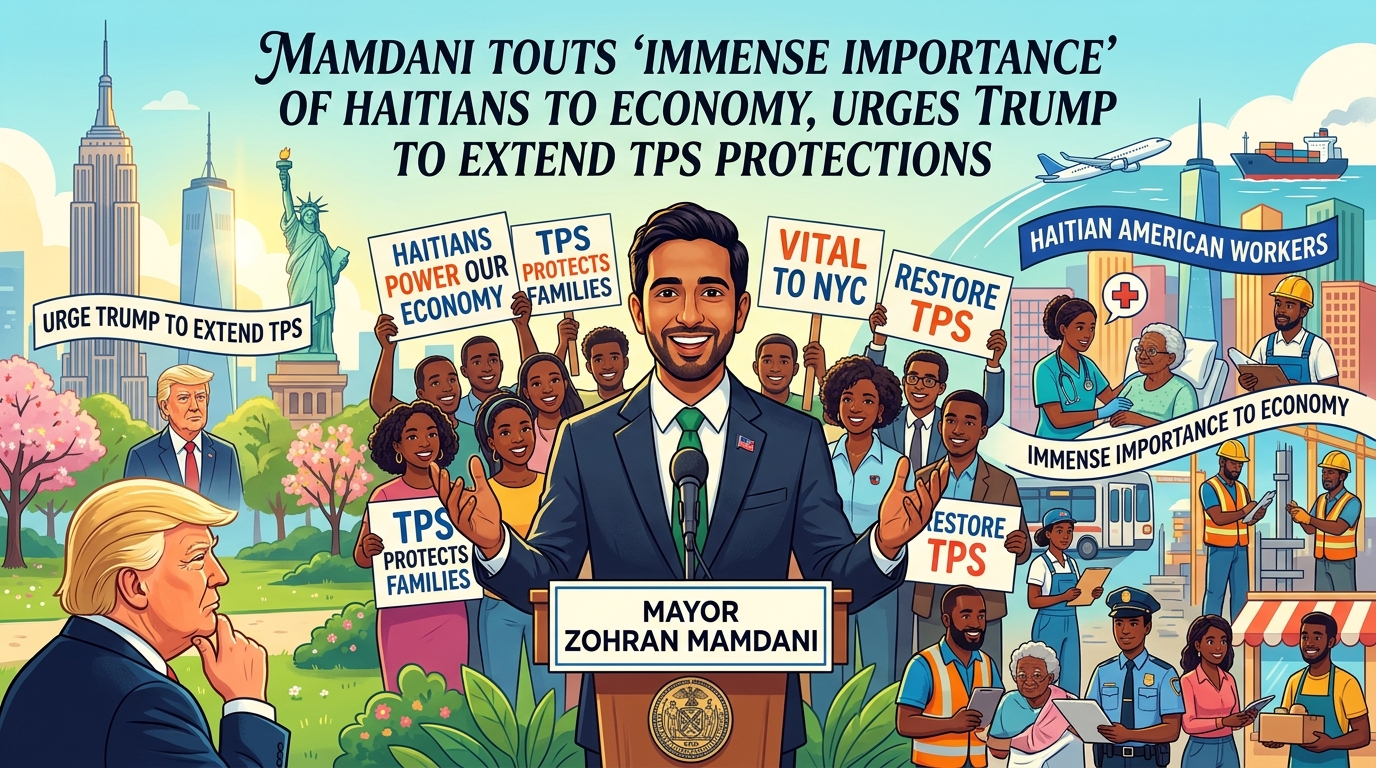
NYC Mayor Zohran Mamdani is urgently calling on President Trump to restore Temporary Protected Status for over 300,000 Haitian nationals after the Trump Administration terminated the program. The mayor emphasized Haitians’ critical economic importance to New York City, revealing that dozens of city workers have already lost their jobs following a June Supreme Court decision. From ankle monitors in Ohio to business closures in Miami, Haitian families across the country are facing devastating consequences as only seven countries now retain active TPS status.
Key Points:
- Dozens of Haitian city workers in New York have already been terminated following TPS revocation
- Over 300,000 Haitian nationals nationwide face deportation to a violence-plagued nation
- Haitian workers fill critical roles in healthcare, eldercare, manufacturing, and agriculture across multiple states
- Mayor Mamdani stated the city is forced to comply with federal law despite deep concerns about worker safety
Why it matters: This isn’t just about immigration policy—it’s about the immediate economic survival of Haitian families who have built lives, careers, and communities in American cities. These workers contribute billions to local economies while filling essential roles that keep cities running. The contrast is stark: America relies on Haitian labor but is now forcing these same workers back to a country where gang violence controls over 80% of Port-au-Prince. For diaspora families, this means job losses, family separation, and the impossible choice between staying illegally or returning to danger.
🔗 Haiti Advances Electoral Process with Diaspora Voting Push for December 2026 (5 minute read)
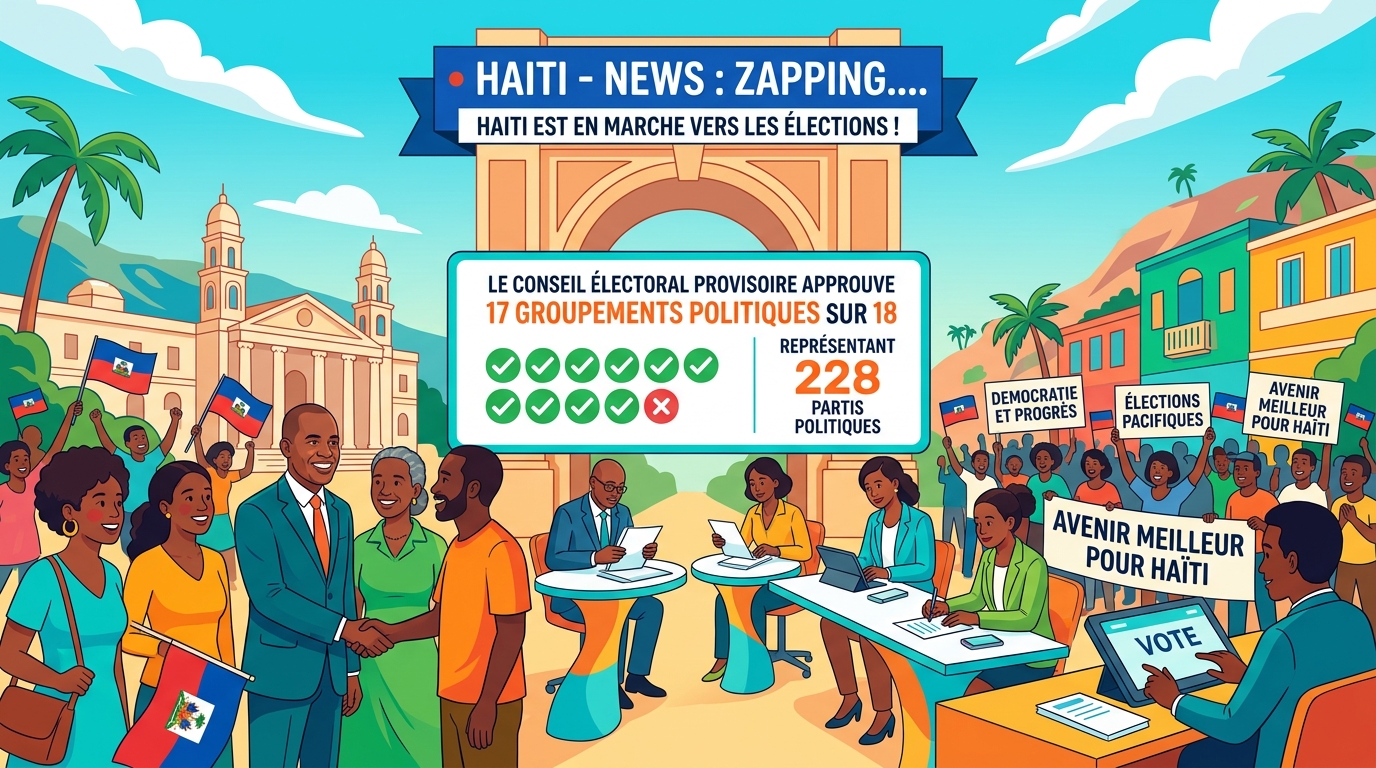
While deportation fears grip Haitian communities in America, Haiti’s Provisional Electoral Council is making a historic push to bring diaspora voices into the December 2026 elections. The CEP has approved 17 of 18 political groups representing 228 political parties and is sending a delegation to visit Haitian communities in the United States, Canada, France, Chile, and Brazil to assess participation needs. Prime Minister Alix Didier Fils-Aimé confirmed elections will proceed as scheduled and is urging citizens—including those abroad—to register to vote.
Key Points:
- CEP delegation will visit diaspora communities in the US, Canada, France, Chile, and Brazil to facilitate voting access
- 17 political groups representing 228 parties have been approved for the December 2026 elections
- The government is simultaneously preparing a reception plan for Haitian TPS repatriates from the United States
- Minister Pythagore Dumas registered to vote, encouraging young citizens to fulfill their civic duty
Why it matters: This represents a critical moment for diaspora political power. Haiti is actively seeking your participation in shaping the country’s future, even as U.S. policy forces some to return involuntarily. The CEP’s international outreach is unprecedented—recognizing that Haitians abroad have both the right and the responsibility to influence governance back home. For those facing deportation, this offers a pathway to civic engagement rather than mere displacement. For the broader diaspora, it’s an opportunity to exercise political voice in Haiti’s reconstruction without physically returning. The question now: will diaspora communities seize this chance to shape Haiti’s political future?
🔗 Revoking Temporary Protected Status Comes with a Cost to American Prosperity (7 minute read)
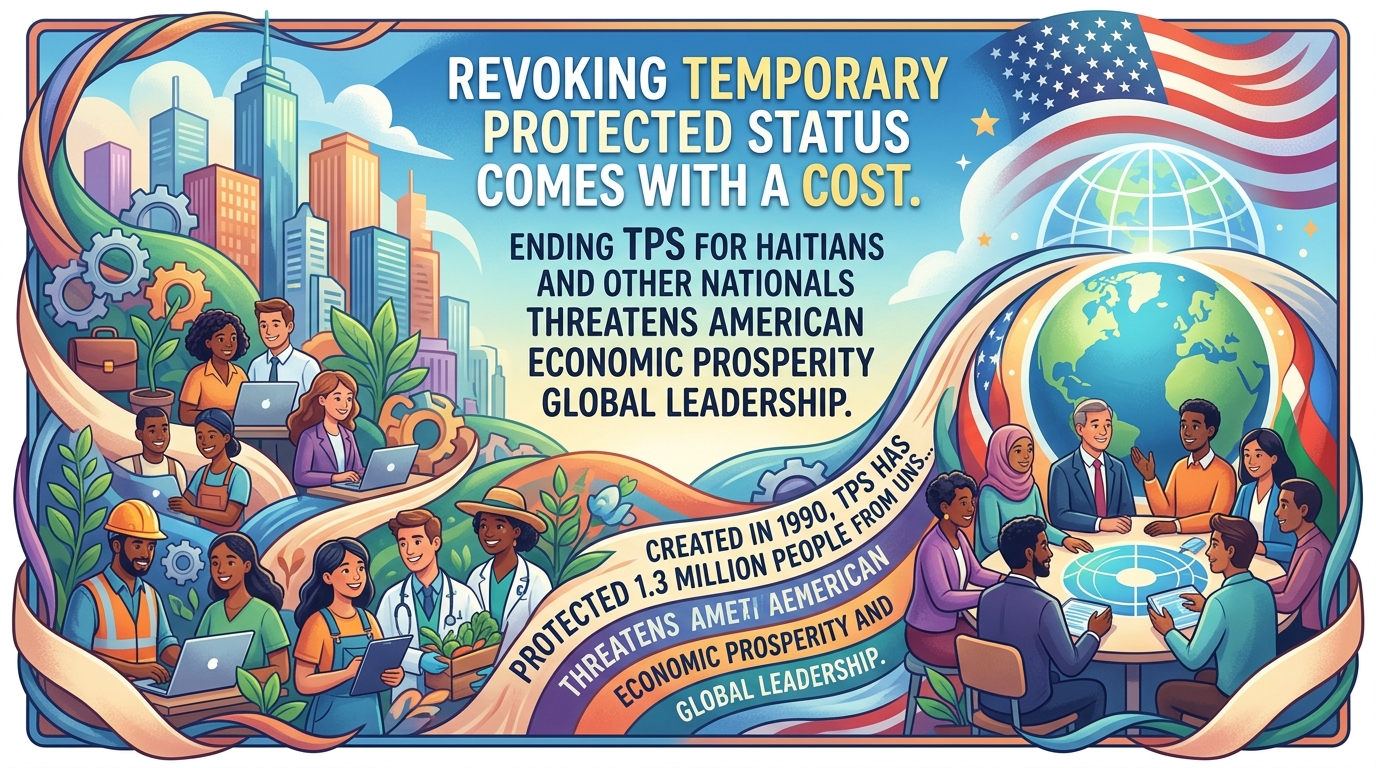
Ending Temporary Protected Status for 350,000 Haitians threatens not only vulnerable families but American economic prosperity itself. Created in 1990, TPS has protected 1.3 million people from unsafe countries, with Haitians losing their status on July 27, 2025. These workers fill critical roles in healthcare, eldercare, manufacturing, and agriculture across Florida, Ohio, New York, and beyond—sectors already facing severe labor shortages. Meanwhile, Haiti remains devastated by gang violence, corruption, and poverty, with conditions unlikely to improve soon.
Key Points:
- 350,000 Haitian workers lost TPS protection on July 27, 2025, disrupting critical American industries
- Haitian TPS holders work extensively in healthcare, eldercare, manufacturing, and agriculture—sectors with chronic labor shortages
- Haiti’s gang violence, corruption, and poverty make safe return virtually impossible for most deportees
- Forcing deportations destabilizes both American communities dependent on these workers and Haiti itself
Why it matters: This analysis from the Bush Center reframes TPS not as charity but as strategic investment in American prosperity and global stability. Haitian workers aren’t taking jobs—they’re filling essential roles that keep hospitals staffed, elderly Americans cared for, and food supply chains functioning. Their forced removal creates immediate economic disruption in American communities while overwhelming Haiti’s already collapsed infrastructure. The humanitarian programs that protect these workers represent American soft power and moral leadership. Dismantling them damages both U.S. economic interests and international standing, while sending families back to a nation where survival itself is uncertain.
🔥 Trending
-
Who Really “Messed Up” Haiti? The History They Won’t Tell You: Essential historical context countering racist narratives about TPS revocation. For a century, 80% of Haiti’s revenue paid fraudulent “reparations” to France and U.S. banks. Add U.S. military occupation (1915-1934), Cold War support for dictators, and the 2004 coup against President Aristide—Haiti’s struggles stem from centuries of imperial exploitation, not Haitian failure.
-
Illinois AG Kwame Raoul Fights for Haitian TPS Protections: The son of Haitian immigrants is using his position as Illinois Attorney General to urge Congress to restore Temporary Protected Status, citing gang violence and poor conditions. Raoul represents second-generation diaspora leadership fighting for community protection.
-
Senator Warnock Secures Two-Year Extensions of Haiti HOPE/HELP Trade Programs: Rare good news—trade programs extended to support Haitian apparel jobs and duty-free access for over 1,800 products. The contrast is striking: the U.S. is willing to trade with Haiti but not protect Haitian workers already contributing to American communities.
-
Marleine Bastien Defends Miami-Dade Commission Seat: Trailblazing Haitian-American Commissioner enters August 18 primary with commanding $1.2 million war chest and strong record including 1,200+ affordable housing units advanced. Her re-election represents continued Haitian diaspora political voice in Florida.
⚡ Quick Hits
🎯 Haiti Food Crisis Worsens Through January 2027 as Gang Violence Disrupts Agriculture
Haiti faces widespread Crisis-level hunger through January 2027, with Emergency outcomes in worst-affected areas. Armed group expansion in Kenscoff—Port-au-Prince’s main produce supplier—has displaced 5,840 people and disrupted agricultural production. Staple food prices persist at nearly 90% above the five-year average, severely constraining food access for vulnerable populations. This context underscores why conditions remain unsafe for deportees. (Read more)
🎯 Buffalo Entrepreneur Rudel Simon Brings Caribbean Flavors to New York Shelves
Haitian American entrepreneur Rudel Simon is expanding RÜDEL® Snacks across New York retail locations, including Taste NY Welcome Centers. Built on family recipes dating back to 1956, the Buffalo-based company specializes in handcrafted coconut confections that preserve Caribbean heritage. His advice to aspiring Haitian American entrepreneurs: prioritize authenticity, patience, and professionalism—success comes from building trust one customer at a time. (Read more)
🎯 Little Haiti Restaurant in Boston Faces Closure After Mass Shooting
Little Haiti International Cuisine in Hyde Park faces an uncertain future after a mass shooting outside the restaurant left five people injured, one fatally. The Boston Licensing Board will decide next week whether to allow reopening, citing five violations. Owner George Craan’s attorney argues the security team acted heroically, disarming shooters and preventing further violence. The case highlights challenges Haitian businesses face navigating safety, licensing, and community relations in American cities. (Read more)
🎯 Montreal Documentary Explores How Football Unites Haitian-Canadian Diaspora
FC Bayern München’s ‘Community Exploration Canada’ series examines how football, language, and heritage unite immigrant communities. Episode 1 features Haitian-Canadian immigrants Didier NuBorn and Rito Joseph in Montreal, exploring how French language bridges communities across Haiti, Canada, Africa, and the Caribbean. For Didier, FC Bayern’s motto ‘Mia San Mia’ symbolizes freedom to embrace his identity proudly—a powerful reminder of how sports strengthen cultural bonds far from home. (Read more)
🎓 Industry Insight
Understanding Your Electoral Rights: What the CEP Diaspora Visits Mean for You
Haiti’s Provisional Electoral Council is making history by actively reaching out to diaspora communities in the United States, Canada, France, Chile, and Brazil ahead of the December 2026 elections. This isn’t symbolic—it’s a concrete effort to ensure Haitians abroad can participate in shaping their homeland’s political future.
If you’re living in one of these countries, the CEP delegation visit means you’ll have access to voter registration information, clarification on eligibility requirements, and potentially streamlined processes for casting your ballot. The timing is significant: as TPS terminations force some Haitians to return involuntarily, Haiti is simultaneously recognizing that diaspora voices—whether you return or stay abroad—are essential to rebuilding democratic institutions.
Here’s what you need to know: First, check your eligibility and registration status now, before the delegation visits your area. Second, understand that diaspora voting rights represent hard-won political power—previous generations fought for your right to participate in Haitian elections from abroad. Third, this is your opportunity to influence everything from security policy to economic development, education reform to infrastructure investment. Your vote isn’t just symbolic—it’s a tool for shaping the Haiti your family members still live in and the Haiti deportees will return to. Don’t let this moment pass unused.
❓ Question of the Day
Given the current TPS crisis and Haiti’s electoral outreach, what’s your priority right now?
- A) Finding legal resources and TPS updates for my family
- B) Registering to vote in Haiti’s December 2026 elections
- C) Supporting Haitian-owned businesses and community organizations
- D) Learning more about Haiti’s history and current political situation
👋 Wrap Up
This week’s news captures the impossible tension facing our community: Haitian workers are losing their jobs and facing deportation in America, even as Haiti prepares to welcome diaspora voices into the electoral process. These aren’t separate stories—they’re two sides of the same struggle for dignity, security, and self-determination.
Whether you’re fighting to stay in the U.S., preparing to return to Haiti, or watching from a distance, your voice and your choices matter now more than ever. Register to vote if you’re eligible. Support community organizations fighting for TPS restoration. Stay informed about both U.S. policy developments and Haiti’s political future. This moment demands both resilience and action—and our community has never been short on either.
Kenbe fèm,
HDP Haitian Community weekly news Editor
📊 How did you like today’s email?
Enjoyed this issue?
Subscribe to get HDP Haitian Community weekly news delivered to your inbox every week.
Join 30 other subscribers • Free forever